 Botmonster Tech
Is a RISC-V laptop ready for Linux daily use in 2026?
RISC-V laptops are making fast progress, but in 2026 they suit developers and hobbyists, not mainstream daily use. The hardware handles terminal work, web browsing, and code builds. The bottleneck is software. Many apps that x86 and ARM users take for granted, like Zoom, VS Code pre-built binaries, and most paid tools, don’t have native RISC-V builds yet. Whether that’s a deal-breaker depends on what you need the laptop to do.
What Is RISC-V and Why Does It Matter?
RISC-V is an open, royalty-free Instruction Set Architecture (ISA). An ISA is the word list a CPU understands: the basic commands a chip can run. The big ISAs today, x86-64 (Intel and AMD) and ARM (Apple, Qualcomm, most phone chips), charge license fees to the IP owner on every chip shipped. RISC-V drops that fee. Anyone can design a RISC-V chip without paying royalties, using a spec that is public and run by a non-profit group.
The knock-on effect for the chip world is large. Hardware rivals today face high license fees and IP gates. A startup with a new chip idea has two paths: license ARM (costly, with strings), or fund a clean-room x86 build (far too expensive). RISC-V removes this wall. A college lab, a startup, or a country chasing chip sovereignty can all build RISC-V silicon on equal legal footing.
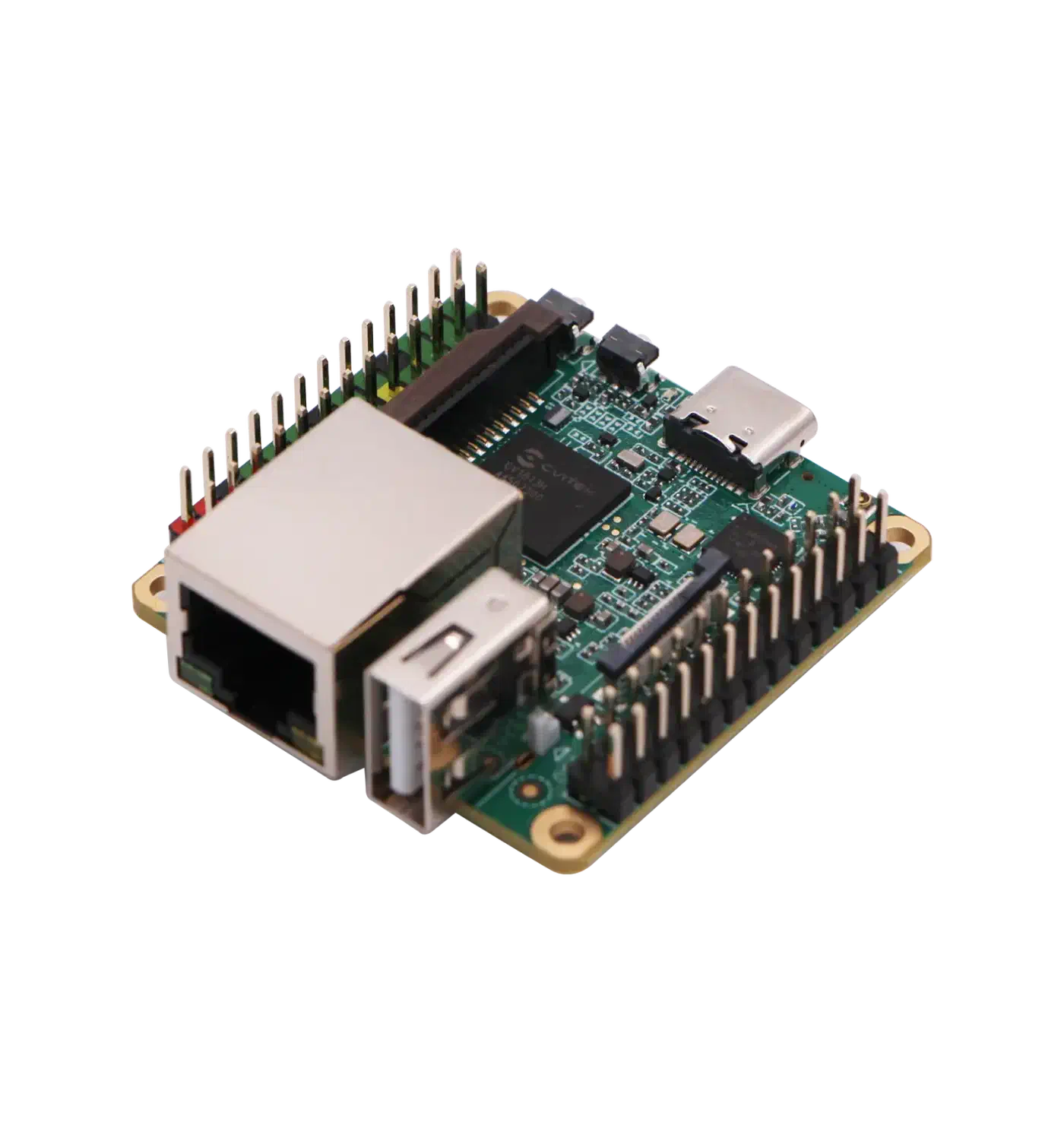
In 2026, SiFive, StarFive, Alibaba’s T-Head unit, and Milk-V all ship RISC-V silicon. Their parts show up in everything from IoT chips to servers.
RISC-V has already won the embedded and IoT space, where ARM’s license fees hurt the most. Server use is growing too, pushed by data center owners who want chips with no vendor lock-in. The laptop market is the toughest fight. Consumer laptops need solid GPU drivers, wireless that works, and a wide software base that takes years to build.
RISC-V won’t replace x86 soon. The move from CISC to RISC took decades, and RISC-V is on the same path: it lands in embedded and server first, with consumer gear coming once the stack catches up. What makes 2026 a real shift is that consumer RISC-V laptops now exist and are usable.
The Framework RISC-V Mainboard
The biggest news for RISC-V laptops is Framework’s modular laptop with a RISC-V mainboard. Framework builds laptops where the mainboard, screen, ports, and battery all swap out by hand. That design fits the open-hardware crowd by default. You can drop a RISC-V mainboard into the same Framework 13 shell that takes AMD and Intel boards.
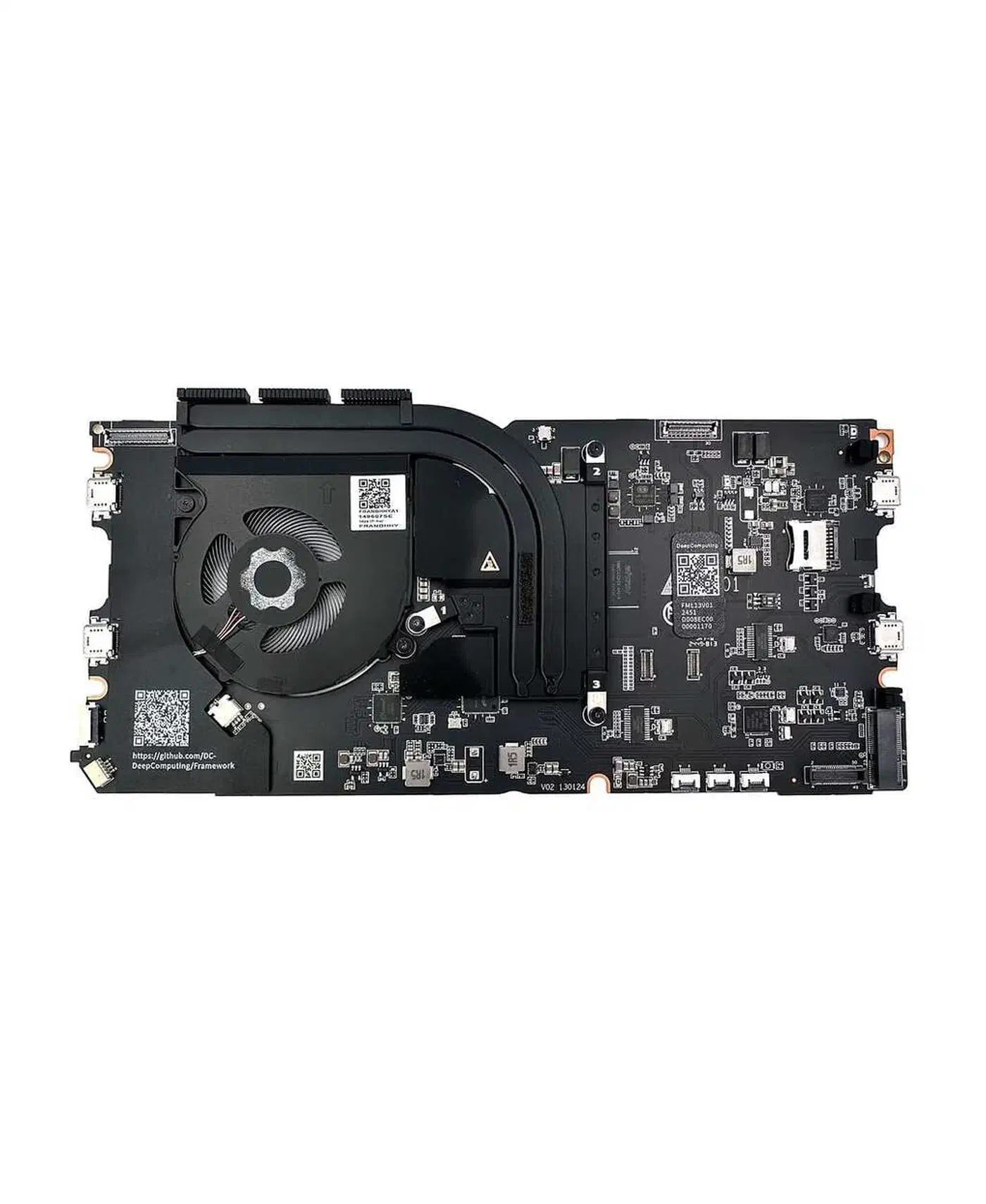
The RISC-V mainboard uses a SoC in the StarFive JH7110 class: a 4-core RISC-V64 chip with a built-in GPU (today an IMG BXE part or close kin). It is not a fast chip by 2026 laptop standards. Single-thread speed sits near a mid-tier ARM Cortex-A55, the kind of part you’d find in a 2019 budget Android phone. It handles text edits, terminal work, light web browsing, and code builds. It cannot handle video edits, modern games, or many heavy apps at once without lag. The same chip family sells as a $65 RISC-V board, which is a much cheaper way to try the architecture before buying a mainboard.
What works on the Framework RISC-V in 2026:
- Web browsing in Firefox (official RISC-V build)
- Terminal workflows: tmux, Neovim, git, make, cargo
- Compiling code: GCC, Clang, Rust, Go, all native
- Document editing: LibreOffice compiles and runs
- Email and calendar via web or Thunderbird
What doesn’t work without workarounds:
- VS Code (official binaries are x86/ARM only; VSCodium can be compiled from source)
- Zoom, Slack, Discord (no native RISC-V builds; web versions work partially)
- Any Steam game using the Linux Steam client
- Hardware-accelerated video playback in most browsers
Upstreaming the Kernel: Linux Support Status
RISC-V has been in the mainline Linux kernel since version 4.15. That makes it one of the better-supported non-x86 chips at the kernel level. But driver support for the chips around the CPU swings a lot by SoC. The state in 2026 is best read as “works, but still patchy.”
GPU work is the single biggest gap. The IMG BXE GPU in JH7110-class SoCs has an open-source kernel driver in the works, riding on the PowerVR upstreaming push that started around 2023. Full Vulkan and OpenGL via mesa is not done yet. In practice, desktop sessions run in software-render mode. That makes GNOME and KDE feel sluggish. Lighter window managers like i3, Sway, and XFCE4 without compositing feel much snappier, since they don’t lean on the GPU.
Wireless driver status: Intel WiFi cards (AX200, AX210, BE200) have upstream drivers and work fine on RISC-V. Realtek and Broadcom keep their bad track record here. The same firmware-loading and driver quality bugs that bite those cards on x86 also bite them on RISC-V. For the Framework RISC-V mainboard, pick an Intel WiFi card for the smoothest run.
Distribution support for RISC-V64: Debian, Fedora, openSUSE, and Alpine Linux all ship official RISC-V64 images in 2026. Ubuntu’s RISC-V tier is “preview”: it works, but it does not get the same test and support pass as x86-64 and ARM64. For the smoothest daily run, Debian or Fedora on RISC-V gives you the widest native package shelf.
Software Ecosystem: What Runs Natively?
The key question for daily use: which apps have native RISC-V64 builds you can pull from your distro’s package manager?
Fully native from distribution repositories:
- All GNU/POSIX tools: bash, gcc, clang, make, cmake, binutils
- Python (CPython), Ruby, Node.js, Go, Rust
- Neovim, Helix, Vim, Emacs, all compile cleanly
- Git, tmux, htop, curl, wget, the full POSIX toolchain
- LibreOffice (with some limitations on rendering)
- Firefox (official RISC-V build since Firefox 114)
- GIMP, Inkscape, Blender (software render only)
Available but requires compilation or alternative source:
- Chromium (no official binary; compiles from source in 4 to 8 hours; Ungoogled Chromium maintains RISC-V builds)
- VSCodium (open-source VS Code alternative with RISC-V builds)
- Signal (Electron-based; unofficial RISC-V builds available from community)
Not available without emulation:
- VS Code official binaries
- Zoom, Slack, Discord native apps
- Any x86-only binary without RISC-V port
- Steam and most commercial games
x86 emulation layers: The FEX-Emu project, a kind of Rosetta 2 for RISC-V, is building active RISC-V support in 2026. The roadmap is moving, but it’s not stable enough yet for daily use. Once FEX-Emu can run x86 binaries on RISC-V with no fuss, it will widen what’s possible on these machines by a lot. It’s not there yet.
Performance Reality: Benchmarks Against ARM and x86
Today’s RISC-V laptop silicon does not match modern chips from Apple, Intel, or AMD. Setting expectations right up front is key if you’re thinking of buying one.
Single-core speed: JH7110-class chips score about the same as a 2016 Intel Core i5-6200U or a Cortex-A55, the “efficiency” cores in modern ARM parts. Web browsing on script-heavy pages is clearly slower than on any modern mainstream laptop. Builds that take 30 seconds on a modern x86 laptop can take 3 to 5 minutes on the RISC-V version.
Compilation benchmark comparison (Linux kernel compilation, make -j4):
| Platform | Time | Notes |
|---|---|---|
| Apple M3 (8-core) | ~2 min | Reference point |
| Intel Core i7-1265U | ~5 min | Modern mainstream laptop |
| RISC-V JH7110 (4-core) | ~25–35 min | Current RISC-V laptop class |
| Raspberry Pi 5 (ARM) | ~18 min | For context |
For a dev who builds code often, this gap is the most painful limit. A 25-minute kernel build versus a 5-minute one changes how you work. It kills fast iteration and pushes you toward off-device build farms.
What feels fast enough: writing code in a terminal editor, running Python scripts, browsing text-heavy docs, juggling git repos, and running small to mid-size web apps locally are all fine on today’s RISC-V hardware. The brake is single-thread speed, not raw throughput. Tasks that scale across cores do relatively better.
Who Should Buy a RISC-V Laptop Today?
The ideal buyer profile for a 2026 RISC-V laptop:
- Embedded and firmware devs writing or porting code for RISC-V microcontrollers. Native RISC-V hardware cuts the cross-compile guesswork.
- Kernel and driver devs working on RISC-V upstream support. Daily driving the platform finds bugs that CI runs miss.
- Open hardware fans for whom an open-ISA machine is worth the rough edges.
- Chip researchers and students studying processor design and ISA semantics.
Not a fit for anyone who needs their laptop to be their main work machine in 2026. The paid-software gaps (Zoom, Slack, VS Code), the slow times on heavy work, and the half-finished GPU stack add up to real friction for anyone who isn’t here for RISC-V itself.
The “second laptop” play: most early users run a RISC-V laptop as a second test box next to a main x86 or Apple Silicon machine. This is the smart path. You help the platform grow without tying deadline work to it.
Looking ahead: the RISC-V laptop arc is real and hopeful. The compiler chains are solid, kernel support is strong, and the software base keeps growing. The hardware needs stronger SoCs. The gap from JH7110-class to something on par with a modern ARM Cortex-A78 is wide but shrinking. Industry watchers who track RISC-V expect laptop-class performance around 2028 to 2030, when multi-vendor silicon rivalry on the RISC-V ISA should yield real gains in speed and power use.
In 2026, buying a RISC-V laptop means buying into a platform’s future, taking its rough edges as the price of a seat at the table. For the right person, that’s a great trade.