 Botmonster Tech
Restore an old MacBook Pro with modern Linux (2026)
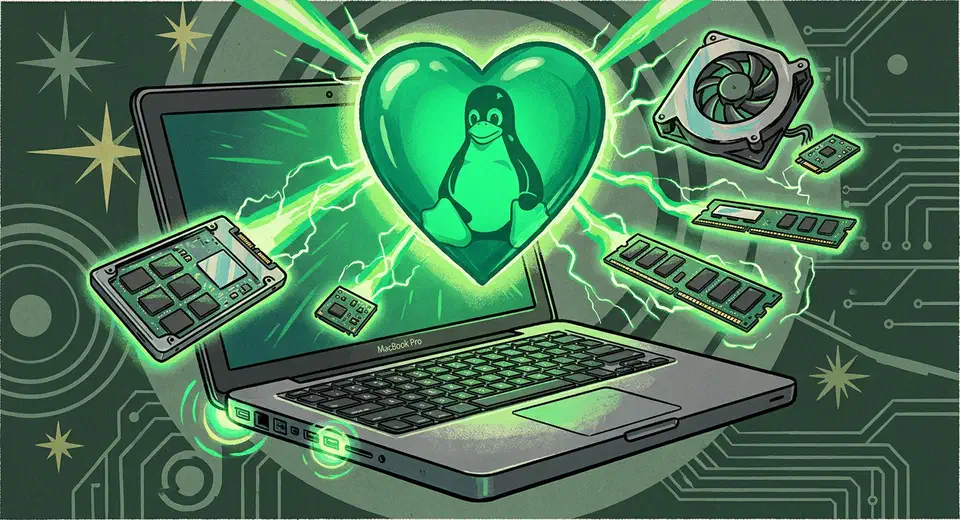
You can revive a 2012-2015 MacBook Pro by swapping the HDD for an SSD and installing a light Linux distro. A machine that felt slow and unsupported under macOS turns into a snappy computer for web, writing, and dev work. The swap keeps working hardware out of landfill and gives you a secure, up-to-date machine for years.
Which MacBook Models Are Worth Restoring in 2026?
Not all old MacBooks make good Linux candidates. The key factor is hardware upgradability. Apple’s shift from user-serviceable to sealed hardware draws a hard line.
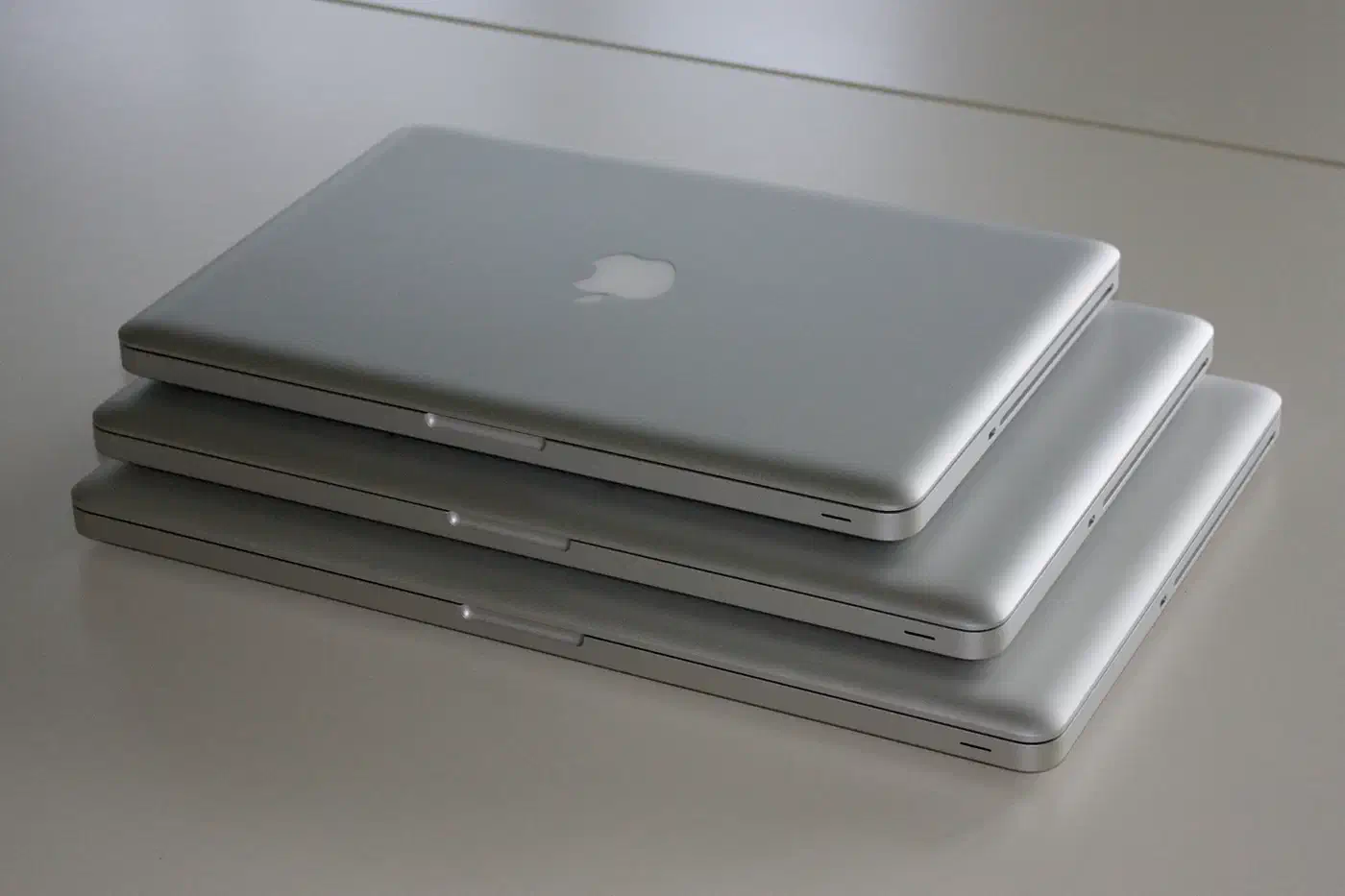
The sweet spot: 2012-2015 Intel MacBook Pros. The 2012 MacBook Pro (13-inch and 15-inch, unibody) is the gold standard for these projects. It takes user-upgradeable RAM up to 16GB. It has a 2.5-inch SATA drive bay you can swap. It even has a DVD drive you can replace with a second drive using a $15 caddy. It also runs most Linux distros with broad driver support. The 2013-2015 Retina models are harder to work with: soldered RAM, odd SSD form factors. Still, they have better GPU support and a high-res screen.
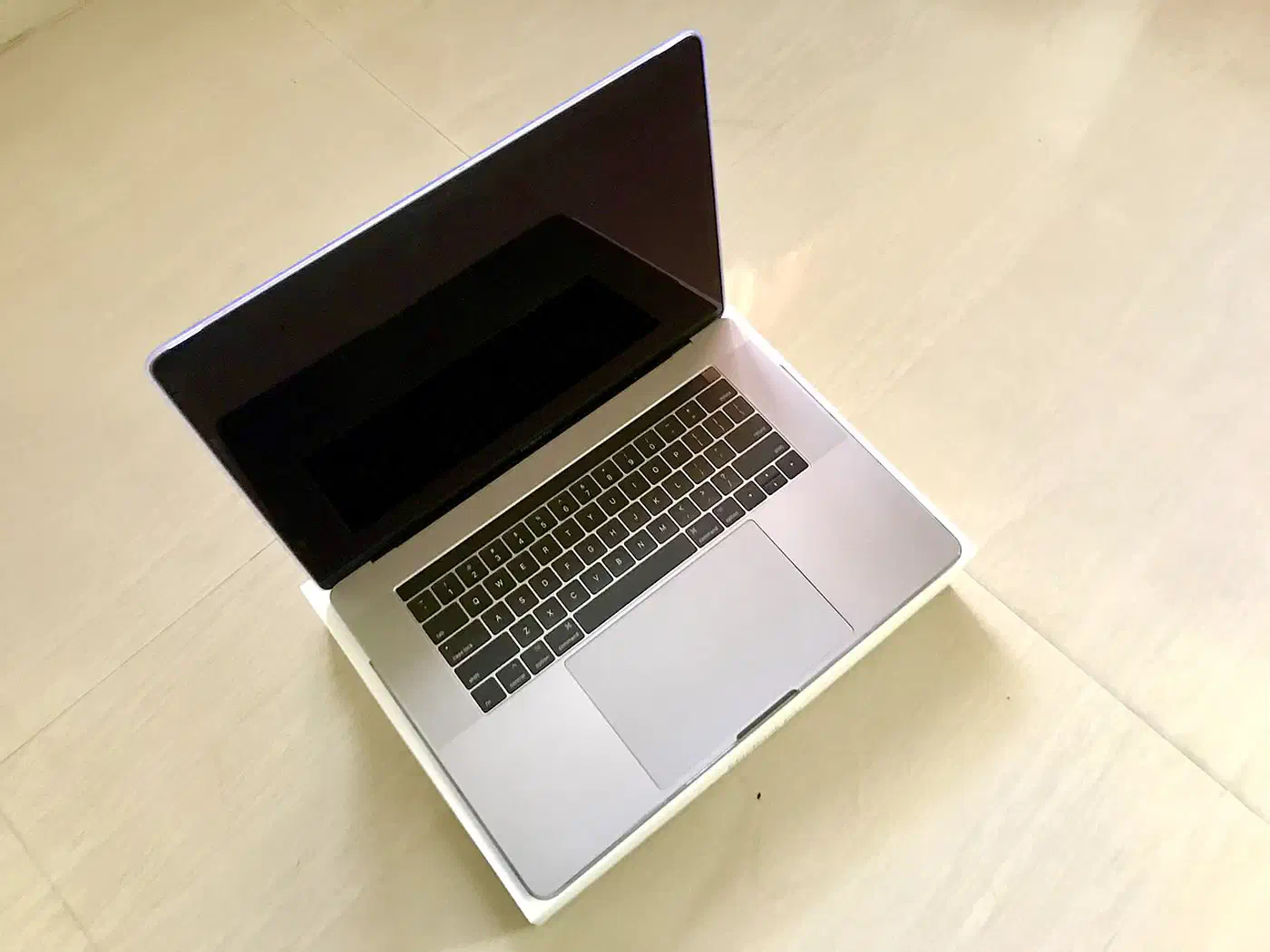
Models to avoid for Linux in 2026: the 2016-2019 Touch Bar MacBooks ship with the Apple T2 security chip, which makes Linux install much harder. The T2 controls Touch ID, storage encryption, and boot security. You can work around it, but it’s not a smooth ride in 2026. The fingerprint reader and Touch Bar still don’t work well under Linux on these machines. A cheap external reader is the usual workaround, though even the Chipsailing CS9711 takes some setup.
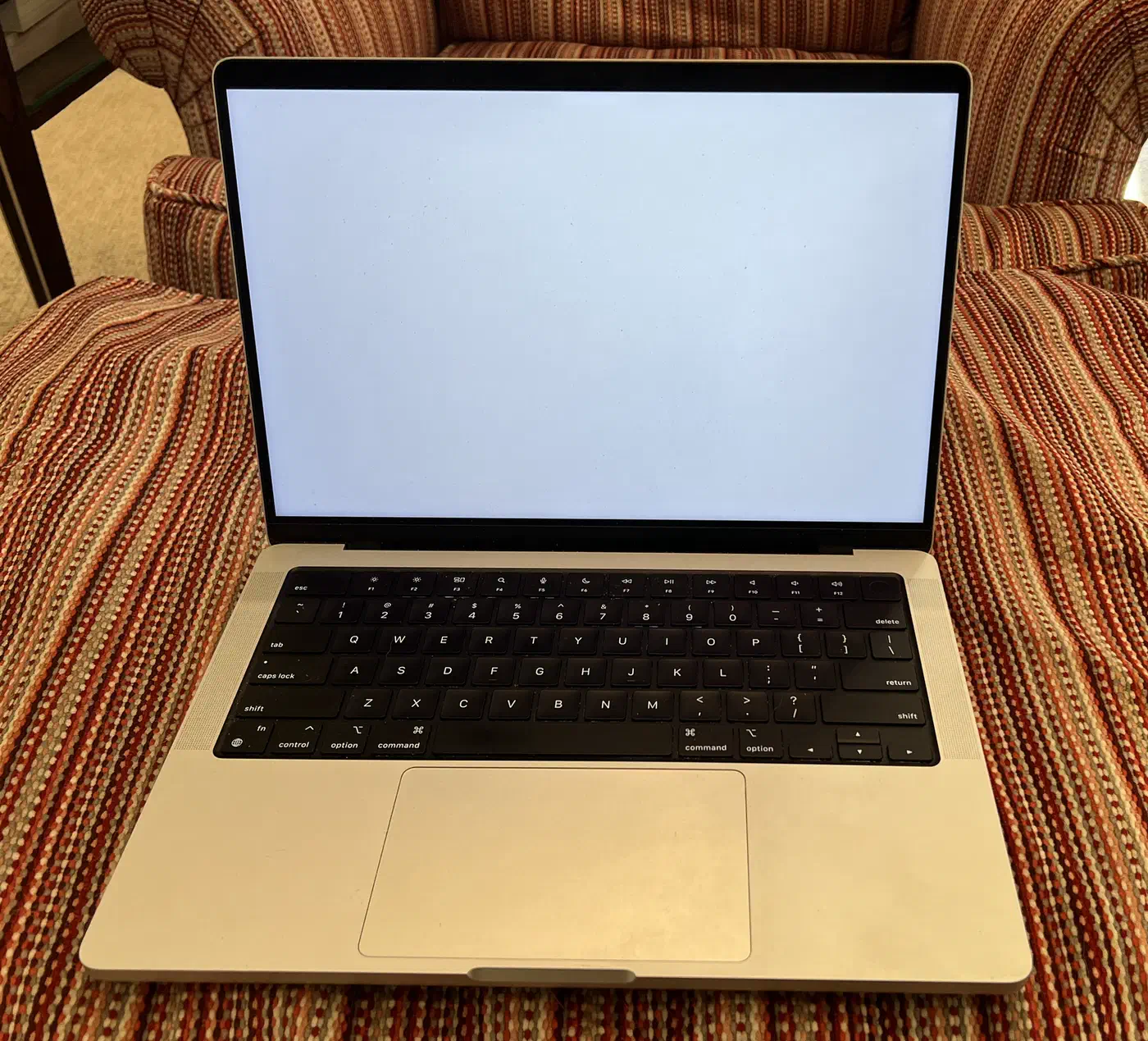
Apple Silicon MacBooks (M1/M2/M3): Asahi Linux has matured a lot. It now offers daily driver support on M1 and M2 MacBooks, with 3D GPU acceleration. If you have an M1 MacBook Pro gathering dust, Asahi Linux is worth a look, though the M4 is still out of reach. It’s a different, more complex install path than this guide covers.
To find your exact model on macOS, run system_profiler SPHardwareDataType | grep "Model Identifier". The model ID (e.g., MacBookPro11,1) tells you which generation you have. iFixit’s teardown database has detailed info for every model.
Essential Hardware Upgrades Before Installing Linux
The OS counts far less than the hardware it runs on. A 2012 MacBook Pro with a stock 5400 RPM hard drive is painfully slow under any OS in 2026. The CPU isn’t weak. The storage bottleneck turns every app launch and disk read into a wait. Fix the hardware first.
SSD Replacement: The Single Biggest Upgrade
Swapping the spinning hard drive for a SATA SSD is the biggest upgrade you can make. Read speeds jump from ~100 MB/s on a 5400 RPM drive to ~500 MB/s on a budget SATA SSD. App launches drop from 5-15 seconds to 1-3 seconds. Boot drops from over a minute to under 15 seconds. If boot still feels slow after the swap, you can profile the startup and see which services are dragging it down.
The 2012 non-Retina MacBook Pro uses a standard 2.5-inch SATA III drive bay. Any consumer SATA SSD fits. Samsung 870 EVO, Crucial MX500, and WD Blue are all solid picks at $50-80 for 500GB in 2026. The 2013-2015 Retina models use Apple’s blade SSD connector. You’ll need an Apple OEM drive (pricey, hard to find) or a third-party PCIe adapter from OWC or Sintech that takes a standard M.2 NVMe drive.
RAM Upgrade
The 2012 MacBook Pro takes standard 1600MHz DDR3 SODIMMs. Going from the stock 4GB or 8GB up to the max 16GB (two 8GB sticks) costs about $40. It also kills the memory pressure that pushes Linux into heavy swap on lighter builds. With 16GB, you can run a browser, a terminal multiplexer, a code editor, and a few Docker containers at the same time.
Thermal Paste Replacement
Thermal paste breaks down over 5-10 years. A 2012 MacBook Pro has had its paste in place for over a decade. Old paste means the CPU runs hotter, hits thermal throttling sooner, and drops speed on long workloads. Swapping the paste for a good compound like Thermal Grizzly Kryonaut or Arctic MX-4 is a 30-minute job. iFixit has clear guides. It can cut CPU temps by 10-20°C and stop throttling.
Check the current state: on macOS, sudo powermetrics | grep -i thermal, or on Linux sensors (from the lm-sensors package). If you see steady temps above 80°C at moderate load, new paste will help.
Battery Assessment
Check the battery cycle count before deciding whether to replace it:
# On macOS
system_profiler SPPowerDataType | grep "Cycle Count"
Apple rates these batteries for 1000 cycles. At 500+ cycles, capacity has usually dropped to 80% or below. Aftermarket batteries from iFixit or third-party suppliers cost $60-90 and bring back full capacity. A fresh battery adds a lot of useful life. A 2012 MacBook Pro with a new battery, SSD, and maxed RAM is a real portable computer in 2026.
Choosing the Right Linux Distribution
Distro choice changes driver support, speed, and long-term upkeep on MacBook hardware. The main things to weigh: default desktop weight, out-of-box WiFi support, and whether the release cadence fits how much upkeep you want.
Best for beginners: Linux Mint 22 XFCE. The XFCE desktop is light (400-600MB RAM at idle), easy to tweak, and feels familiar if you’re coming from macOS or Windows. Linux Mint ships Broadcom WiFi drivers in its driver manager. That fixes the most common MacBook headache out of the box, though getting off the 2.4GHz band is a separate job. The LTS release cycle means you’re not chasing updates. You configure it once and it works for years.
Best for power users: EndeavourOS or Arch Linux. Rolling release means you’re always on the latest kernel and packages. That’s helpful for picking up MacBook hardware fixes as they land. The tradeoff: you manage updates more often, and things break now and then. The Arch Wiki is the best docs anywhere for fixing MacBook-specific Linux issues.
Best for older hardware (pre-2012, low RAM): antiX Linux or Debian with LXDE. antiX is built for low-resource machines. It boots into under 200MB RAM use and runs fine on 2-4GB systems. For a 2009-2011 MacBook in decent shape, antiX adds several more years of useful life.
Why to skip Ubuntu GNOME on older MacBook hardware: GNOME’s shell compositor pulls heavy GPU. Older Intel HD Graphics and NVIDIA Kepler GPUs strain under it. At idle, GNOME Shell uses 300-500MB RAM and keeps the GPU partly active. On a machine with 8GB RAM and a throttling GPU, you feel that as lag. Lighter desktops don’t have it.
The Installation Process - macOS to Linux
Installing Linux on a MacBook has quirks you won’t see on a standard PC. The EFI firmware is Apple’s take on UEFI, which works a bit differently from PC UEFI.
Create the bootable USB using Balena Etcher (GUI, cross-platform) or dd on Linux/macOS:
sudo dd if=linuxmint-22-xfce-64bit.iso of=/dev/sdX bs=4M status=progressBoot from the USB by holding the Option key on startup until the boot picker shows up. Pick the USB drive (it’ll show as “EFI Boot” or the distro name).
Partitioning strategy: for a clean Linux install (removing macOS), a simple layout works well:
- 512MB EFI partition (FAT32, mounted at
/boot/efi) - Swap partition or swap file (8-16GB for 8-16GB RAM)
- Root partition taking the rest (ext4)
If you want to keep a small macOS recovery, shrink the Linux root to leave 15-20GB for macOS, and keep the Apple Recovery partition intact. That way you can run Apple Diagnostics and boot internet recovery if needed.
rEFInd bootloader: Apple’s EFI doesn’t handle standard GRUB well on every MacBook. rEFInd is a boot manager built for Apple EFI. It gives you better boot management than GRUB on MacBook hardware. Install it from a running Linux session:
sudo apt install refind  # or equivalent for your distro
sudo refind-install
Full disk encryption: setting up LUKS during install is easy with most distro installers. Look for “Encrypt this installation” or similar in the partition step. The overhead on a modern SSD with a 3rd or 4th-gen Intel CPU is tiny: under 5% on reads, a bit more on writes.
Post-Install Hardware Driver Configuration
MacBook hardware needs attention on a few key parts. Most things work on their own. A few need manual setup.
WiFi - Broadcom BCM43xx
MacBook Pros from 2012-2015 mostly use Broadcom BCM43xx WiFi chips. They need closed firmware that ships outside the Linux kernel by default.
# Detect the chip
lspci -vnn | grep -i network

# Install on Debian/Ubuntu/Mint
sudo apt update
sudo apt install firmware-b43-installer  # or broadcom-sta-dkms for wl driver

# On Fedora/RHEL
sudo dnf install b43-fwcutter
The b43 open-source driver works for most BCM4331 and BCM43224 chips. The closed wl (broadcom-sta) driver covers more chips but needs DKMS to rebuild after kernel updates. Linux Mint’s driver manager handles this on its own. That’s the main reason beginners are pointed at Mint.
Audio
MacBook Pro audio via the snd_hda_intel driver usually works out of the box. If speaker output or headphone detection acts up, the common fix is a kernel parameter:
# In /etc/default/grub, add to GRUB_CMDLINE_LINUX_DEFAULT:
snd_hda_intel.model=mbp101
Reload grub and reboot. PipeWire (the PulseAudio replacement on modern distros) handles MacBook audio well in 2026 with no extra setup.
NVIDIA Discrete GPU (15-inch Models)
15-inch MacBook Pros from 2012-2014 ship with NVIDIA Kepler GPUs (GT 650M or GT 750M). NVIDIA dropped Kepler from mainline closed drivers in 2022. These cards now need the legacy NVIDIA 470.xx driver:
sudo apt install nvidia-legacy-470xx-driver # Debian/MintThe open-source nouveau driver works for basic 2D, but DXVK/Vulkan compile isn’t a realistic ask. For most laptop use (terminal, browser, light work), nouveau is fine and saves you the DKMS upkeep.
FaceTime HD Camera
The iSight and FaceTime HD cameras in 2012-2015 MacBook Pros are PCIe devices, not USB. The green privacy light is wired to the sensor rail, the same trick cheap mini camera modules use for their status light. They need the facetimehd (a.k.a. bcwc_pcie) out-of-tree kernel module:
# Install dependencies
sudo apt install dkms git
git clone https://github.com/patjak/facetimehd
cd facetimehd && make && sudo make install
sudo modprobe facetimehd
Once loaded, the camera shows up as /dev/video0. It works with Video4Linux apps, Firefox, Chromium, and OBS.
Performance Optimization for a 2012-Era Machine
Even with an SSD and maxed RAM, a 2026 Linux setup gains from tuning. A few tweaks remove the last sources of slowness on decade-old hardware.
Zram for compressed swap: a compressed RAM-based swap cuts SSD writes under memory pressure. It also keeps the system snappy when RAM fills up:
sudo apt install zram-config # or systemd-zram-generator on modern distrosZram compresses idle memory pages 3:1 on average. You get a lot more usable RAM. The cost is CPU cycles, which the machine has plenty of relative to SSD I/O.
Compositor settings: in XFCE, go to Settings > Window Manager Tweaks > Compositor and turn off “Show shadows under windows” and “Show shadows under dock.” Drop transparency to zero. On older Intel HD Graphics 4000, cutting compositor effects frees GPU cycles. You feel that as less input lag.
Browser configuration: Firefox is still the best pick for older MacBooks on Linux. Set dom.ipc.processCount to 2-4 in about:config (the default can spawn 8+ processes, each eating RAM). Turn on hardware acceleration under Settings > Performance. On machines with working GPU drivers, this drops CPU load for video and modern web apps. Falkon (built on QtWebEngine) is a lighter pick for basic browsing. It feels faster on tight hardware.
auto-cpufreq: the auto-cpufreq daemon tunes CPU frequency scaling based on system load and battery state. On a MacBook Pro, it can add 30-50% to battery life versus the default performance governor. It also cuts thermal throttling on long workloads by skipping the extra boosts that hit TDP limits.
# Install from GitHub releases or via snap
sudo auto-cpufreq --install
A 2012 MacBook Pro tuned this way will run Linux Mint or EndeavourOS with snappy app response, 5-7 hours of battery on light tasks, and steady speed on compile workloads without thermal throttling. It’s not a 2026 machine. It’s a real, useful one. The other path was the landfill.