 Botmonster Tech
Sub2API shares your Claude plan and warns you not to

Sub2API is an AI subscription API gateway. It turns a Claude, OpenAI, Gemini, or Grok plan you already pay for into API keys other people can use. Its README opens with a warning that this may break Anthropic’s terms. Anthropic’s own developer docs say the same thing, in plainer words.
Key Takeaways
- Sub2API turns AI subscriptions into API keys other people can use.
- It adds billing, quotas, rate limits, and even a payment page.
- The project itself warns that this may break provider terms.
- Anthropic’s docs already ban routing requests on a Pro or Max plan.
- A ban falls on whoever signed the account in.
Sub2API
Sub2API is a self-hosted gateway by Wei-Shaw on GitHub, built with Go, a Vue front end, PostgreSQL, and Redis. You sign in your Claude, ChatGPT, Gemini, or Grok accounts, and it issues its own API keys that forward requests to them. Each key gets token-level usage tracking, rate limits, and optional billing. Before you deploy Sub2API, read the sections below on provider terms, since a ban falls on whoever signed the account in.
What an AI subscription API gateway does
An AI subscription API gateway runs between accounts you have signed in to and the tools that want to call them. You add a subscription account to the Sub2API dashboard through OAuth or an existing API key. The gateway then hands out its own keys, shaped like the provider’s, and forwards every request upstream. Anything that speaks the Anthropic, OpenAI, or Gemini API shape can point at your server instead and never notice the difference.
The product is what happens between the two ends. Sub2API checks the key, tracks usage down to the token, works out the cost, and forwards the call. The scheduler picks an account per request, then uses sticky sessions. One conversation stays pinned to one upstream account instead of hopping mid-thread.
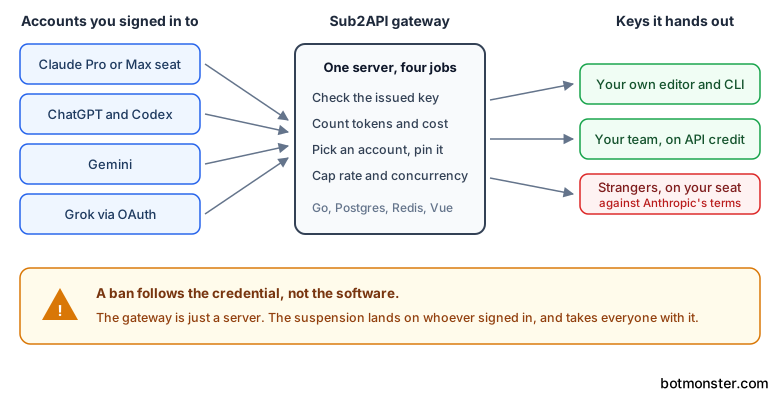
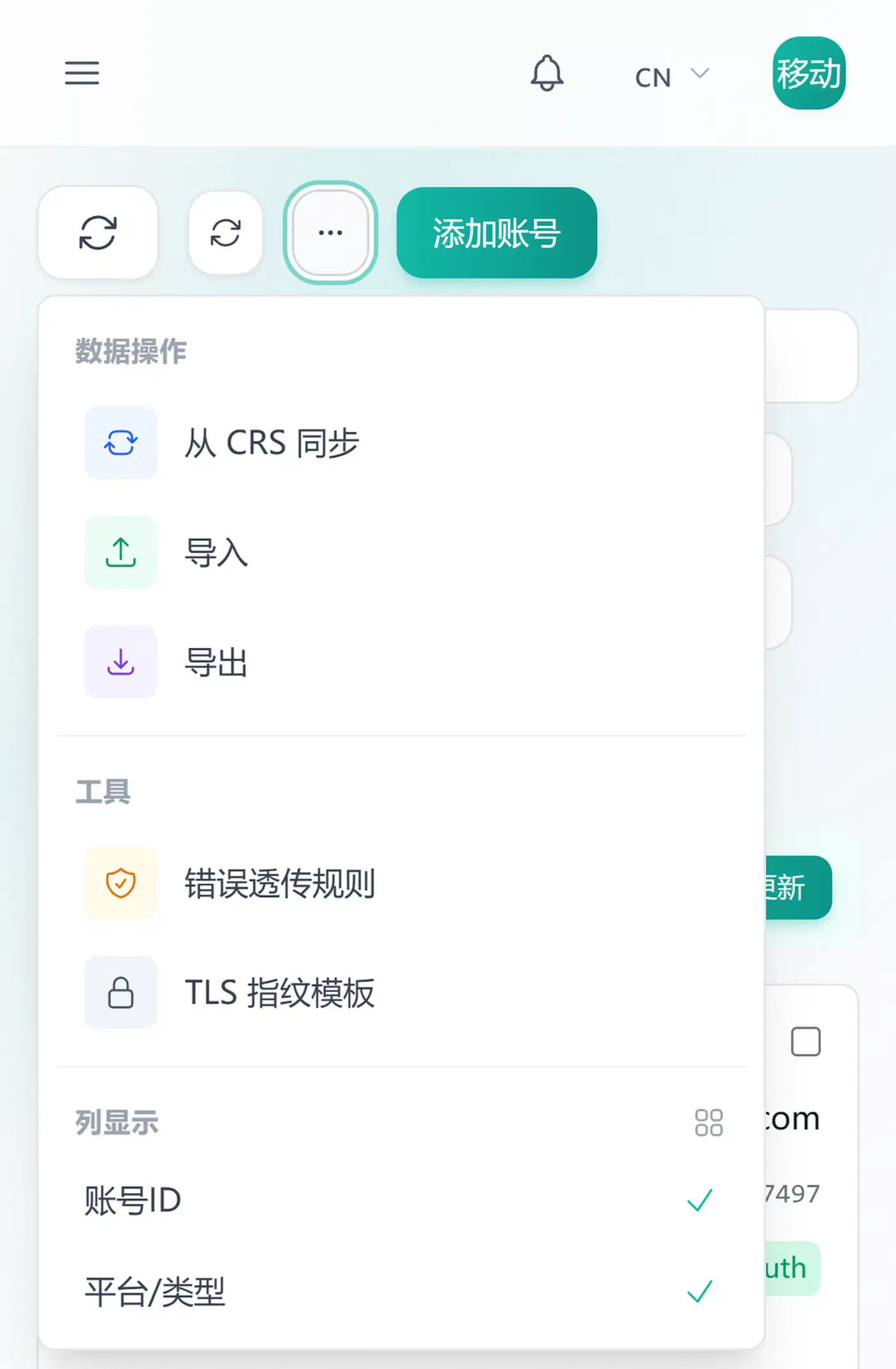
The rest is the machinery that turns a script into a platform. You get per-user and per-account concurrency caps, request and token rate limits you set yourself, and an admin dashboard. It also ships a payment system with EasyPay, Alipay, WeChat Pay, and Stripe, so downstream users can top themselves up.
It supports Claude Code , Codex, Gemini, Grok through xAI OAuth, and Antigravity . Antigravity gets its own endpoints and a hybrid scheduling mode you can turn on. The Go back end uses Gin and Ent.
The warning the project puts above its own features
Open the README and a terms-of-service risk notice greets you before the sponsors, the overview, and any feature list.
The notice says the project may break the terms of Anthropic and other upstream providers, and that every risk that follows falls on you alone. It offers the software for learning and research only, and takes no blame for account bans, downtime, or lost data. The last line is the odd one, because the developers say they have never approved any commercial service built on the project.
The same README is paid for by commercial operations. Below the warning is a long table of sponsors. Most are resale gateways selling Claude and Codex access far below official prices, each with an affiliate link. Several are the exact business the disclaimer disowns. Cheap AI offers like these rarely survive a close read of their own terms, as OmniRoute’s free tier showed.
One sponsor sells ready-made ChatGPT Plus and Claude Pro accounts. Another sells residential IPs with a dedicated address per account, pitched as a way to reduce “association-based risk control”. There is an anti-detect browser vendor in there too, for running many accounts at once. The disclaimer says the risk is yours, and the sponsors sell you tools for surviving it.
What Anthropic says about sharing a plan
Anthropic’s rules are shorter than the project’s warning, and much blunter. The consumer terms say you may not share your login, API key, or credentials. They also bar making your account available to anyone else. That covers most of what a shared gateway does.
The Claude Code docs name the exact pattern. They say OAuth sign-in is only for subscribers doing normal work in Anthropic’s own apps.
Anthropic does not permit third-party developers to offer Claude.ai login or to route requests through Free, Pro, or Max plan credentials on behalf of their users.
The same page says Pro and Max limits assume normal use by one person, and that Anthropic may act on the rules without warning. The usage policy also bars handing account access to anyone already banned. So the README’s careful “may violate” is kind to itself.
What happens when a provider notices
Subscription plans are priced around one person’s habits. Pooling turns one seat into many, and the traffic looks nothing like one person working. The provider can spot the pattern without any clever detection.
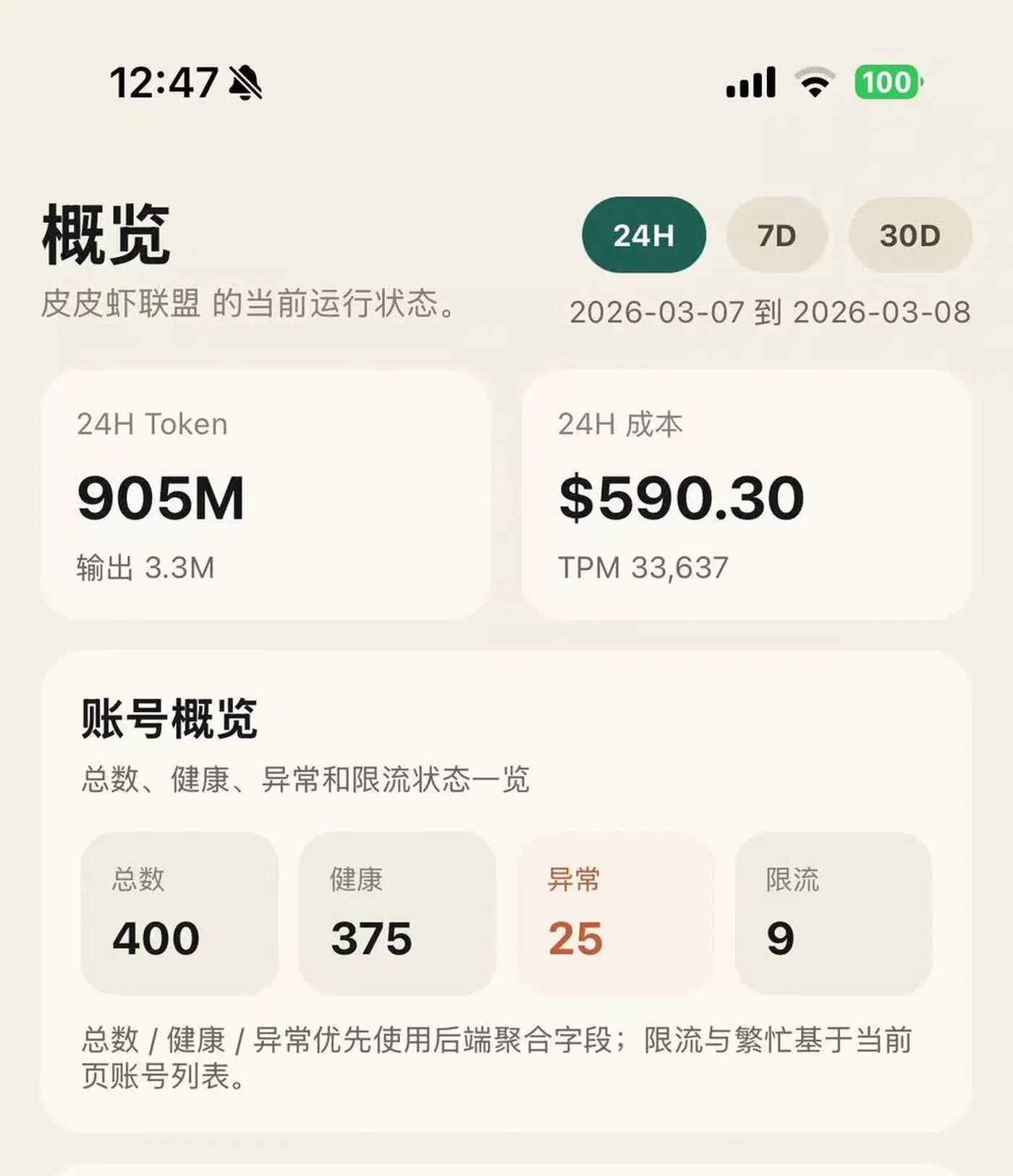
Request volume runs far above what a human can generate, calls arrive on machine-regular timing, and many source addresses hit one login. Sticky sessions and per-account rate limits smooth some of those edges, which makes pooled traffic harder to spot.
When enforcement comes, it lands on the account holder. The gateway is just software on someone’s server, and there’s nothing to ban there. A suspension takes the subscription with it, plus anything else tied to that login. The person who signed in absorbs it for everyone else on the key. Anthropic has already banned OpenClaw for riding on Claude subscriptions this way.
Pooling also splits a fixed allowance, so ten people on one plan share one plan’s limits and hit the wall ten times faster. A Max seat runs $200 a month for one person’s work, and five people sharing it get a fifth each. The savings come from the same place the risk does. A far cheaper route is an open-weight model like DeepSeek V4-Pro , where the model itself is priced low.
The version of this that fits the terms
Strip out the sharing and the architecture is useful. A team can route its own paid API credit through one gateway. That buys per-user quotas, token-level accounting, and one place to revoke a key. Those are the features Sub2API is good at, and paid API credit carries none of the subscription terms problem.
The smaller version works too. Run the gateway in front of your own accounts, so your editor, your CLI, and your scripts all hold one key instead of four. The project ships a simple mode for exactly this. It hides the billing and SaaS features for solo developers and internal teams.
| How you run it | What you feed it | Where the terms land | Who absorbs a ban |
|---|---|---|---|
| Personal gateway | your own accounts | fine for personal use | you, on your own account |
| Team API gateway | your team’s paid API credit | fine, this is the intended use | nobody, credit is meant to be routed |
| Pooled subscriptions | one plan, many strangers | against Anthropic’s written terms | whoever signed in, for everyone |
Nothing technical separates the top row from the bottom row. It is the same software with the same config, and the only variable is whose credential you put in it.
What the issue queue says about running this
The project is about eight months old, and its binaries have been downloaded roughly 16,000 times. Its tracker also holds well over two thousand open items, a queue nobody is clearing.
Read that backlog as the cost of chasing other people’s APIs. Every upstream change breaks something downstream, and each break arrives as a fresh report. Releases are still on a 0.1.x version number.
According to the docs, Nginx needs underscores_in_headers on; or it strips the session_id header and breaks sticky routing for Codex. Sora support is marked as down for now. You can’t mix Antigravity and Anthropic accounts in one conversation.
You can deploy with Docker Compose, a script install, an Apple container on macOS, or a source build. Each one needs PostgreSQL and Redis alongside. The licence is LGPL-3.0, an odd fit for a server application. It becomes relevant if you modify the code and hand the binary to anyone else.
The project is well built, and it leads with a warning about itself. That warning is the most useful thing in the repo, and Anthropic has already written the sentence it tiptoes around.