 Botmonster Tech
Best AI coding agents in 2026: cost, autonomy, and lock-in

The best AI coding agent in 2026 comes down to two numbers most reviews skip. The first is real cost per completed task. The second is how locked in you are to one vendor’s models. Get those two right and the rest is preference. Get them wrong and you either overpay every month or hand a single vendor control of your roadmap. This compares seven agents on exactly those axes: Claude Code, Codex CLI, Gemini CLI, Cursor, OpenCode, Pi, and GitHub Copilot.
Key Takeaways
- Judge agents by cost per finished task, not the monthly sticker price.
- OpenCode and Pi run any model you bring, so you keep full price control and portability.
- Claude Code, Codex CLI, and Gemini CLI each tie you to one vendor’s models.
- Cursor and GitHub Copilot let you pick from a menu of models, but route billing through their own layer.
- Gemini CLI’s free individual tier stops on June 18, 2026.
How I Judge an AI Coding Agent: Cost Per Completed Task, Not Per Month
Most roundups rank agents on monthly subscription price. That is the wrong unit. What you actually care about is whether the agent finishes a real multi-file change and what that costs you end to end. So this whole comparison turns on two axes, and every section below answers one of them.
The first axis is cost per completed task. I break it into four things: did it finish, how many human correction loops it took to get to green, the wall-clock time, and the token or dollar burn for one representative multi-file edit. A $20 monthly plan that needs five retries to land a change can cost more in your time than a $0.50 pay-as-you-go run that lands it on the first try.
The second axis is model lock-in. Can you swap the underlying LLM, or are you married to one vendor’s roadmap and pricing? This single question decides whether you control your own costs over the next year, or whether a vendor controls them for you.
Benchmark harnesses give us a reference point for the “completed task” math. An open harness paired with an open-weight model lands tasks at roughly one twentieth the cost of a closed agent like Devin, per CodeSOTA’s agent comparison. That ratio, not the headline subscription, is what compounds across a year of daily use.
One caveat up front: the exact dollar figures below are 2026 estimates that swing hard with the model you pair. That is especially true for the bring-your-own-key agents and Cursor, where you pick the engine yourself.
What is the best AI coding agent in 2026?
There is no single winner, because the agents optimize for different things. Here is the one-line verdict for each before the full matrix:
- Claude Code: the strongest autonomous terminal agent, with Anthropic lock-in.
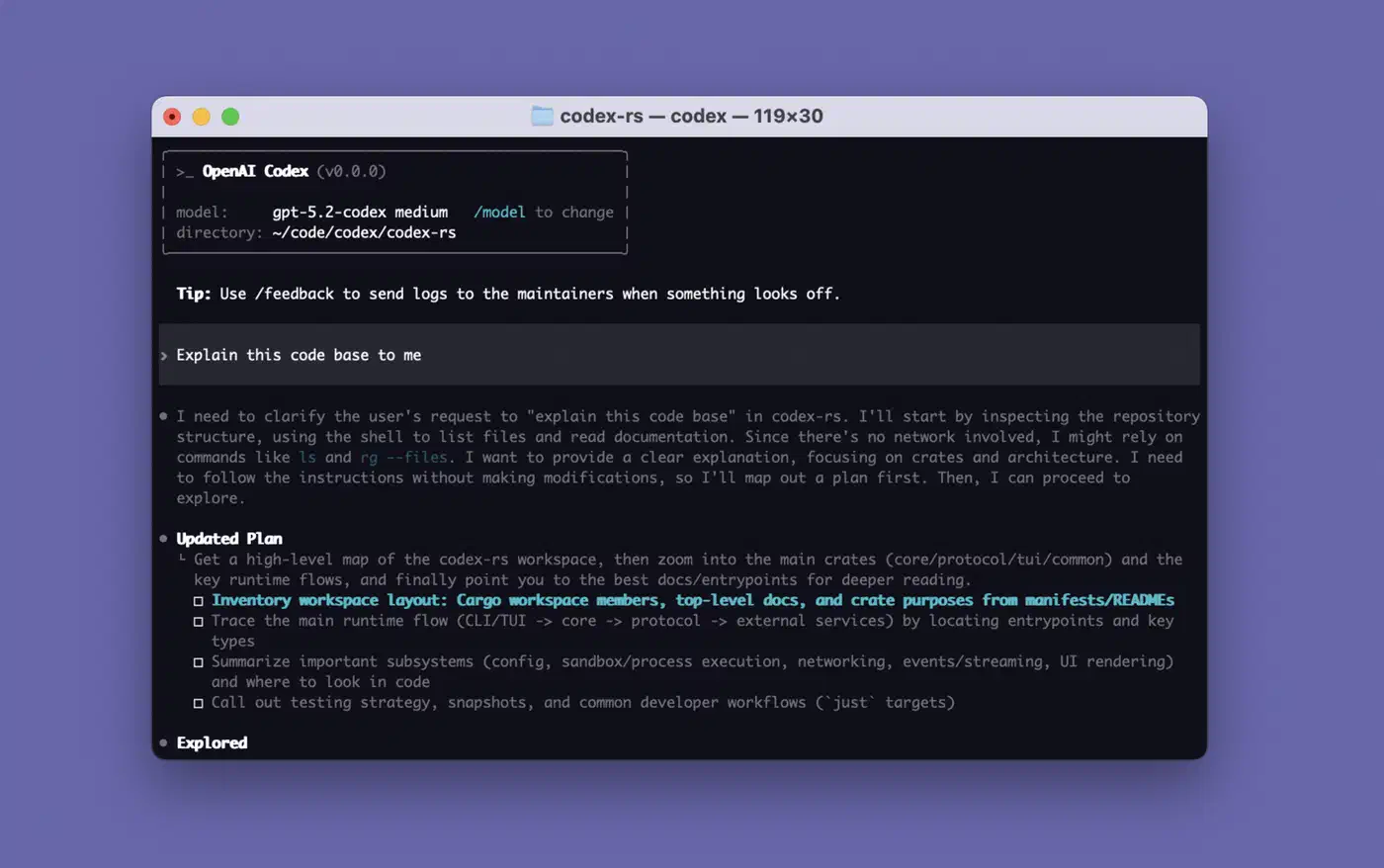
- Codex CLI: an open-source client tied to OpenAI models.
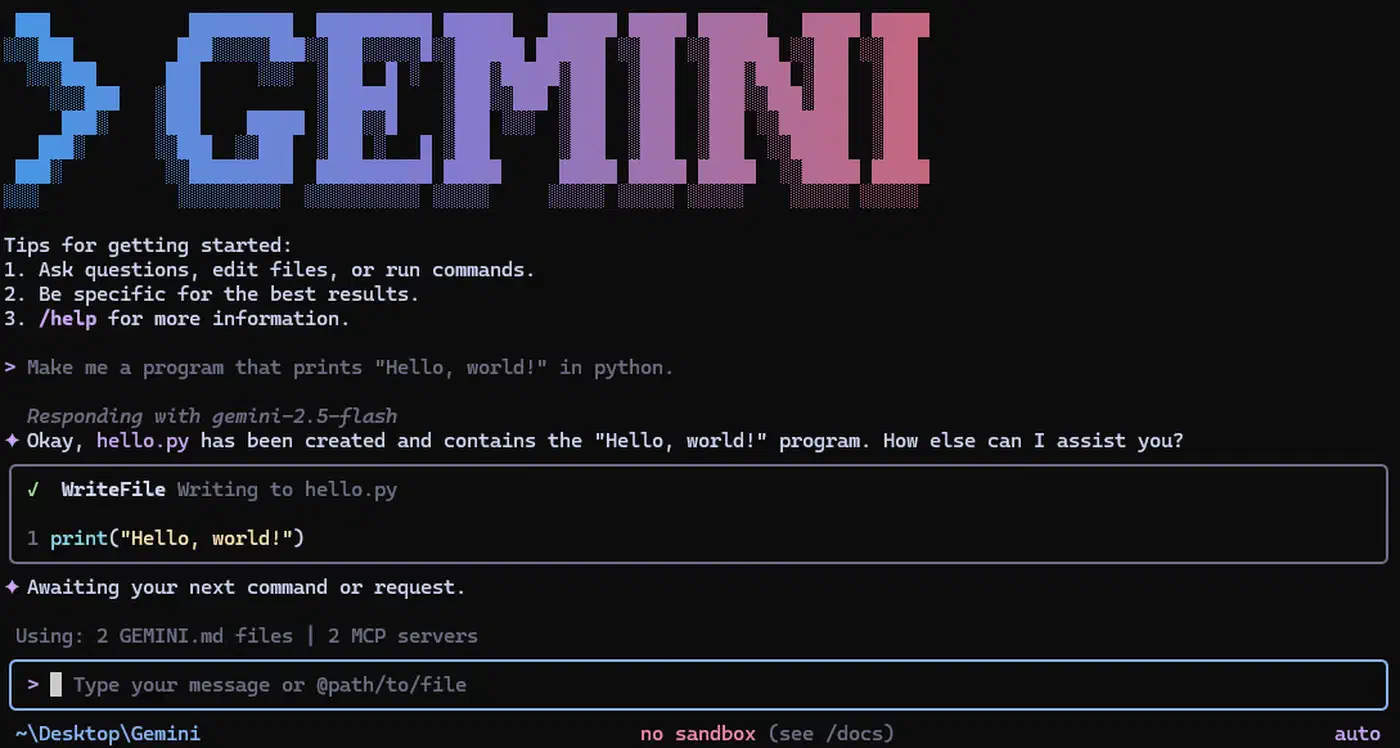
- Gemini CLI: the biggest free context window, but the shakiest free future.
- Cursor: the editor-native pick with cloud agents.
- OpenCode: the open, model-agnostic terminal agent with the broadest provider list.
- Pi: a minimal, hackable harness you can reshape, model-agnostic by design.
- GitHub Copilot: the ubiquitous default, now with a real terminal agent.
There is also an interface split worth naming. Claude Code, Codex CLI, Gemini CLI, OpenCode, and Pi are terminal-native: you run them in your shell. Cursor is a full IDE, a VS Code fork, with terminal and cloud agents bolted on top. GitHub Copilot spans both worlds: a terminal agent plus deep editor integration across VS Code, JetBrains, Neovim, and more.
Support for the Model Context Protocol is now table stakes. Claude Code, Codex CLI, Gemini CLI, Cursor, OpenCode, and Copilot all run MCP servers for tools and data. Pi ships without native MCP on purpose; it leans on skills and small CLI tools instead, and you can add MCP support as an extension if you need it.
| Agent | Interface | Models supported | Open source | Pricing entry point | MCP / extensions |
|---|---|---|---|---|---|
| Claude Code | Terminal + web + desktop | Claude Sonnet / Opus | No (closed client) | Pro $20/mo, Max $100/$200, or API | MCP, plugins, skills, hooks |
| Codex CLI | Terminal, IDE ext, web, iOS | OpenAI GPT-5.x / GPT-5.5-Codex | Yes (Apache-2.0 client) | Bundled in ChatGPT plans, or API | MCP with parallel tool calls |
| Gemini CLI | Terminal | Google Gemini 2.5 / 3 Pro | Yes (Apache-2.0) | Free tier (ending 2026-06-18) or paid | MCP, extensions |
| Cursor | IDE (VS Code fork) + cloud agents | Composer 2.5 plus routed Claude, GPT-5.5, DeepSeek | No | Hobby free, Pro $20, Pro+ $60, Ultra $200 | MCP, extensions, cloud agents |
| OpenCode | Terminal (TUI) + desktop + IDE ext | Any provider, bring your own key | Yes (MIT) | Free tool; pay only the model API | MCP, plugins |
| Pi | Terminal (TUI) + SDK / RPC | 15+ providers, hundreds of models, BYO key | Yes (MIT) | Free tool; pay only the model API | No native MCP; skills + extensions |
| GitHub Copilot | CLI + IDE (VS Code, JetBrains, etc.) | Pick from GPT-5.x, Claude, Gemini | No | Free, Pro $10, Pro+ $39, Max $100 | MCP registry |
The Seven Agents, One by One
The verdicts above compress a lot. Here is the slightly longer version, one agent at a time.
Claude Code: the autonomy benchmark
Claude Code is the agent to beat for hands-off terminal work. It runs Anthropic’s Sonnet and Opus models only, and that focus shows: Opus 4.7 posts the highest finish rates in the field (more on the numbers below). It also ships the most complete safety story, with a multi-mode permission system. The cost of all that polish is total lock-in. You cannot point it at a non-Anthropic model.
Codex CLI: OpenAI’s open client
Codex CLI is an Apache-2.0 client you can read, fork, and self-host, which is rare among the vendor agents. The catch is symmetrical to Claude Code: the client is open, but it only drives OpenAI’s GPT-5.x and GPT-5.5-Codex models. It supports MCP with parallel tool calls and, since April 2, 2026, bills through token credits across all plans. If you already pay for ChatGPT, the agent is effectively bundled, which makes it the path of least resistance for OpenAI users who still want a client they can inspect.
Gemini CLI: the largest free context, on a timer
Gemini CLI is Apache-2.0 and gives you the biggest free context window of any agent here. That makes it excellent for one-off, large-repo experiments today, where you can feed a whole project in and ask broad questions without paying a cent. The risk is the calendar: the free individual tier stops serving on June 18, 2026, and it runs Google models only. Build a workflow on the current free quota and you are building on borrowed time.
Cursor: the editor-native pick
Cursor is the one true IDE in the lineup, a VS Code fork with inline completions, chat, and cloud agents that run in isolated VMs. Its own Composer 2.5 model is fast and cheap, and you can route premium models through it. You trade bring-your-own-key freedom for a polished editor and a managed pricing layer.
OpenCode: the model-agnostic default
OpenCode is the agent that inherits the “run any model” crown. It is MIT-licensed, has crossed 170,000 GitHub stars, and supports the broadest provider list of anything here through a bring-your-own-key setup: Anthropic, OpenAI, Google, OpenRouter, and local models all work. It runs as a terminal TUI with a desktop app and IDE extension alongside, speaks MCP, and the tool itself is free. You pay only for the model you choose. Both OpenCode and Pi carry the model-agnostic mantle from Aider, the tool that pioneered bring-your-own-model pair programming, which has since gone quiet: its last release, v0.86.0, shipped back in August 2025.
Pi: the harness you reshape
Pi takes a different path from OpenCode. It is a deliberately minimal, MIT-licensed harness built around a small four-tool core, and it expects you to extend it with TypeScript extensions, skills, and prompt templates. It supports 15 or more providers and hundreds of models, lets you switch models mid-session, and runs in four modes: interactive TUI, print or JSON output, an RPC protocol, and an embeddable SDK. It has no native MCP, which is a real gap if you depend on MCP servers, but for people who want to bend the agent to their workflow it is the most malleable option here.
GitHub Copilot: the low-cost on-ramp
Copilot is the tool most developers already have, and in 2026 it is more than autocomplete. The Copilot CLI brings an agent to the terminal that can plan and execute multi-step work, and Agent Mode can dispatch Copilot, Claude, or Codex agents on a task. You pick from a menu of models rather than bringing your own, and billing runs through Copilot’s tiers, but the paid on-ramp is the cheapest in the field at $10 a month.
Real Cost Per Completed Task and Who Owns the Model
Most roundups keep cost and lock-in in separate paragraphs. Here they sit together, because in practice they are the same decision. The model you can run sets the price you can pay.
Start with the lock-in spectrum, stated plainly. OpenCode and Pi let you swap any model freely, so you have full portability. Codex CLI is an open client but runs OpenAI models only. Gemini CLI runs Google models only. Claude Code runs Anthropic models only. Cursor and Copilot are the subtle cases: each lets you pick from a menu of models, but routes billing and pricing through its own layer, so what you actually pay per model is harder to see.
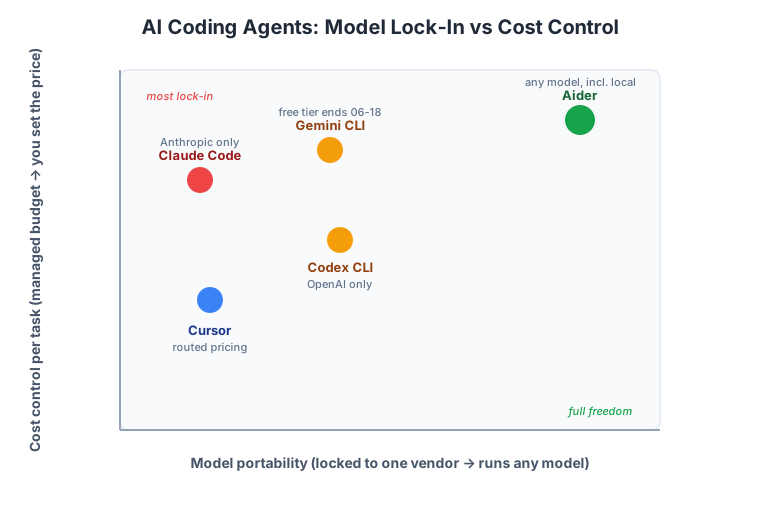
Portability is price control. With a bring-your-own-key agent like OpenCode or Pi you can drop a representative change using a cheap open-weight model for cents, around $0.03 to $0.05 per task for a GLM or MiniMax-class model. Or you can pay about $15 per task for a premium model, per the spread in CodeSOTA’s data. Same harness, a 100x cost range, and the choice is yours on every task.
The vendor agents trade that control for a managed budget. Claude Code’s subscription tiers reset on a 5-hour and weekly cycle, per the SSD Nodes plan breakdown. Codex switched to token-based credits across all plans on April 2, 2026, per the eesel AI pricing guide. Both bundle usage into a plan, which is simpler to predict but harder to optimize.
Cursor’s pricing is a pool of usage credits billed on actual token consumption. Its own Composer 2.5 model is priced at $0.50 and $2.50 per million input and output tokens, per Cursor’s models and pricing docs. Premium routed models bill at their own rates through the router, so the headline number rarely tells the full story. Copilot works similarly, starting at $10 a month for the Pro tier and gating premium models behind Pro+ and Max.
Then there is the Gemini CLI cliff. The free individual tier, with 60 requests per minute and 1,000 per day, stops serving on June 18, 2026. Google is pushing users toward Antigravity, where community testing reports free quotas dropped to about 20 requests per day, per VPSMAC’s writeup on the policy change. Any free-tier workflow you build on the old quota has a hard expiry date on the calendar.
Finish rate is the hidden cost driver, so the benchmarks ground the “did it finish” question. Claude Opus 4.7 hits 87.6% on SWE-bench Verified and about 69.4% on Terminal-Bench 2.0, per TokenMix. GPT-5.5 reaches 82.7% on Terminal-Bench 2.0 and leads SWE-bench, per the OpenAI GPT-5.5 announcement. Cursor’s own harness scored 51.7% on SWE-bench Verified, and Composer 2.5 hit 79.8% on SWE-bench Multilingual, per Beyond Tomorrow’s Composer 2.5 breakdown. If you are asking which is the smartest AI for coding right now, those numbers are the answer: Claude Opus 4.7 leads on SWE-bench Verified, with GPT-5.5 a close second. That also settles which company leads in coding models in 2026, a two-horse race between Anthropic and OpenAI, with Google’s Gemini a step behind. A higher finish rate means fewer correction loops, and fewer loops mean a lower real cost per task. The lead changes hands every few months, though, which is the real argument for a portable agent like OpenCode or Pi: you bet on the harness and point it at whichever model is smartest this month.
| Agent | Pricing model | Est. cost per completed task (2026) | Can swap LLM? | Vendor lock-in |
|---|---|---|---|---|
| Claude Code | Subscription (5-hr / weekly) or API | Bundled $20-$200/mo; ~$5/$25 per MTok Opus on API | No (Anthropic only) | High |
| Codex CLI | Token credits in ChatGPT plan or API | Bundled $20-$200/mo; per-token on API | No (OpenAI only) | Medium |
| Gemini CLI | Free tier ending 2026-06-18, then paid | ~$0 today; Gemini 3 Pro $2/$12 per MTok after | No (Google only) | Medium-High |
| Cursor | Usage-credit pool, own + routed models | Composer $0.50/$2.50 per MTok; premium at vendor rates | Partial (route, not bring-your-key) | Medium |
| OpenCode | Free tool, you pay the model | $0.03-$15 per task by model | Yes (any model, incl. local) | Lowest |
| Pi | Free tool, you pay the model | $0.03-$15 per task by model | Yes (15+ providers, incl. local) | Lowest |
| GitHub Copilot | Subscription tiers, premium-request credits | From $10/mo Pro; premium models on Pro+ / Max | Partial (pick from menu) | Medium |
Terminal-Native or Editor-First: Which Workflow Fits You
Once cost and lock-in are settled, workflow fit becomes the tiebreaker. The field splits into terminal agents and editor-first tools, with one foot in each camp.
The terminal-native agents (Claude Code, Codex CLI, Gemini CLI, OpenCode, and Pi) live in your shell. They edit files in place, run tests, and commit. This suits people who already work in the terminal and want an agent in the loop without leaving it. The friction of switching contexts simply goes away. To run two of them at once without their edits colliding, give each agent its own Git worktree so every session gets a separate checkout of the same repo.
The editor-first option is Cursor: a full IDE with inline completions, chat, and Cloud Agents that run in isolated cloud VMs. Those agents get terminal, browser, and desktop access, then report back asynchronously, per the Codersera Cursor guide. GitHub Copilot straddles the line: it has the deepest editor reach of anything here, plus the new CLI, so you can stay in VS Code or drop to the terminal with one tool.
I write and maintain my own work with a terminal agent every day, so here is one honest observation. Plan-mode-then-execute beats letting the agent run loose far more often than I expected, especially in repos I do not know well. The harder problem is auto-approve creep. Longitudinal data backs up what I felt: auto-approve rose from about 20% under 50 sessions to over 40% by 750 sessions, per the Dive into Claude Code study. The more you trust the agent, the less you read. The one task type where I still review every single edit by hand is anything touching auth or billing logic. A confident wrong edit there is expensive.
Permissions and safety differ across the field. Claude Code ships a multi-mode permission system: standard, plan, an auto or classifier-based mode, and bypass, per the permissions docs. The other CLIs use lighter-weight approval prompts. For an unfamiliar repo, plan mode is the safe default no matter which agent you run.
Who Should Pick Which Agent
The right pick falls out of your profile. Match yourself to a row and self-select:
- Solo dev who hates surprise bills and wants to swap models, including local ones: OpenCode.
- Wants a minimal harness to bend to a custom workflow: Pi.
- Already deep in the ChatGPT ecosystem and wants an open, forkable client: Codex CLI.
- Wants the strongest autonomous terminal agent and accepts Anthropic lock-in: Claude Code.
- Wants an AI-native editor with cloud agents and team features: Cursor.
- Wants the cheapest paid on-ramp and one tool across editor and terminal: GitHub Copilot.
- Needs the largest free context for experiments today, eyes open on the June 18 sunset: Gemini CLI.
| Agent | Best for | Skip if |
|---|---|---|
| Claude Code | Autonomous terminal work, daily driver | You need model portability or zero lock-in |
| Codex CLI | OpenAI users wanting an open client | You want non-OpenAI models |
| Gemini CLI | Largest free context, quick experiments | You need a stable free tier past 2026-06-18 |
| Cursor | Editor-native AI with team and cloud features | You prefer terminal-only or a single flat price |
| OpenCode | Maximum model freedom and price control | You want a polished GUI or a managed budget |
| Pi | A hackable harness you reshape yourself | You want batteries-included MCP and GUIs |
| GitHub Copilot | One tool across editor and terminal, low entry price | You want bring-your-own-key or local models |