 Botmonster Tech
Git worktrees
let you attach many working directories to a single repo. Each one has its own branch checked out. Claude Code
ships a native --worktree (-w) flag that handles the setup in one command. It creates a worktree, checks out a new branch, and launches Claude inside it. Run the same command in another terminal and you’ve got a second agent. Scale to five, ten, or more sessions and none of them clash on disk.
Ai

Git Worktrees for Parallel Claude Code Sessions: Run 10+ AI Agents Without File Conflicts

10 Claude Code Plugins to 10X Your AI Development Projects
I get better output from Claude Code
by adding fewer tools, not more. Piling on MCP servers rarely helps, but the right official marketplace plugins, CLI tools, and skills do. Start with /plugin and picks like typescript-lsp and security-guidance, then add Supabase CLI, Playwright, GitHub CLI, and the GSD framework. That stack handles code, deploys, research, and browser work on its own.
When I first found Claude Code, I tried to connect every MCP server I could find. Within a week, the agent felt slower and less decisive, and it often picked the wrong tool for the job. The fix was almost always a smaller, more careful toolset.
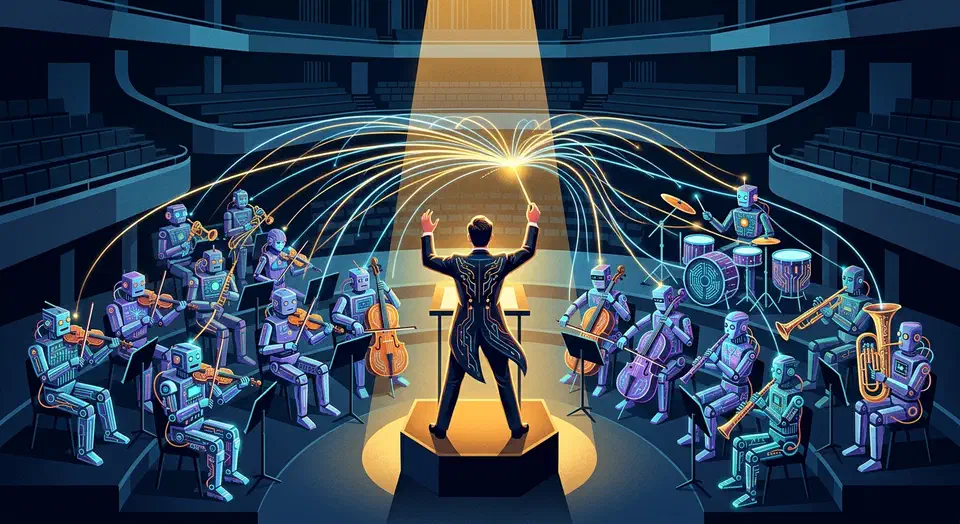
Claude Code Agent Teams: Orchestrating Multiple AI Sessions on One Project
Claude Code Agent Teams is an experimental feature, live since v2.1.32. It lets you run 2-16 Claude Code sessions under one team lead. Each teammate gets its own context window and full tool access. They talk through a shared task list and direct peer-to-peer messages. You turn it on with one config change, then describe the team you want in plain language. Claude handles the spawning, the assignment, and the coordination. The feature shines on work you can split up: multi-file refactors, cross-layer feature builds, and research-and-review jobs. The catch is that it costs 3-7x more tokens than a single session, and it cannot resume a session.
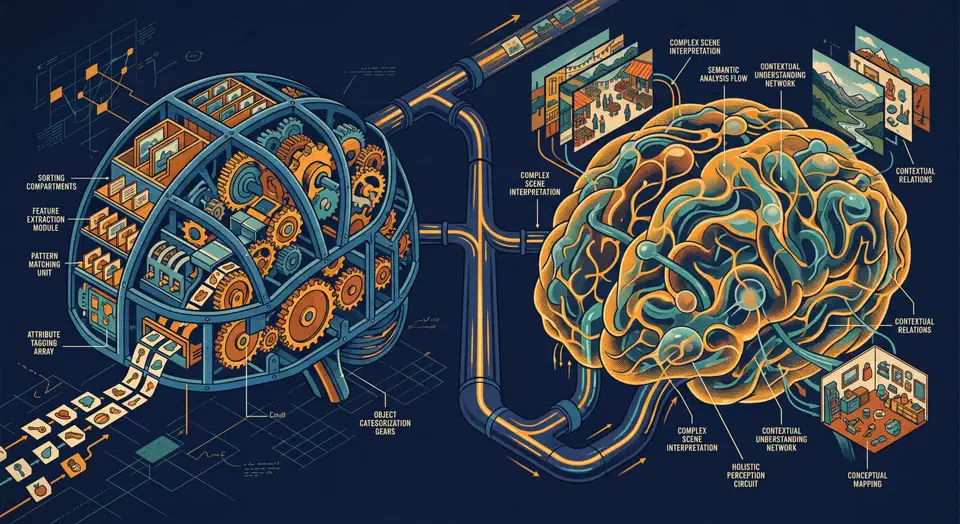
Run Vision Models Locally: Florence-2 and Qwen-VL for Image Analysis
Florence-2 and Qwen2-VL both run on consumer NVIDIA GPUs with as little as 8 GB VRAM. They handle OCR, object detection, image captioning, and visual question answering, all of it offline. Florence-2 uses a small sequence-to-sequence design with task prompt tokens. That makes it fast and reliable for structured extraction. Qwen2-VL takes a chat-style approach. It handles open-ended reasoning, dense documents, and follow-up questions. The two models work best as a pair, not as swaps for each other.

The Claude Code Source Leak: What 512,000 Lines of TypeScript Revealed About AI Agent Architecture
One missing line in a build config caused the worst source leak in AI tooling history. On March 31, 2026, Anthropic shipped version 2.1.88 of its @anthropic-ai/claude-code package with a 59.8 MB JavaScript source map inside. That map held the full client agent harness for Claude Code : 512,000 lines of readable TypeScript in 1,906 files. Mirrors of the code spread thousands of times in hours. A clean-room Python/Rust rewrite then became the fastest-growing repo in GitHub history. Anthropic’s legal response hit the wrong targets. The day got worse: a supply-chain attack hit the axios npm package, piling on for devs who rely on these tools.

Claude Code with MCP: Local Agent for Files, SQL, APIs
Claude Code combined with custom MCP (Model Context Protocol) servers creates a local AI coding agent that can read and write files, query databases, call APIs, and execute shell commands - all orchestrated by Claude through a standardized tool-use interface. You set up the Claude Code CLI, configure MCP servers in your project or user settings, and the agent automatically discovers and uses the tools you expose. The result is a development workflow where you describe tasks in natural language and Claude executes multi-step coding operations with full access to your project context.