 Botmonster Tech
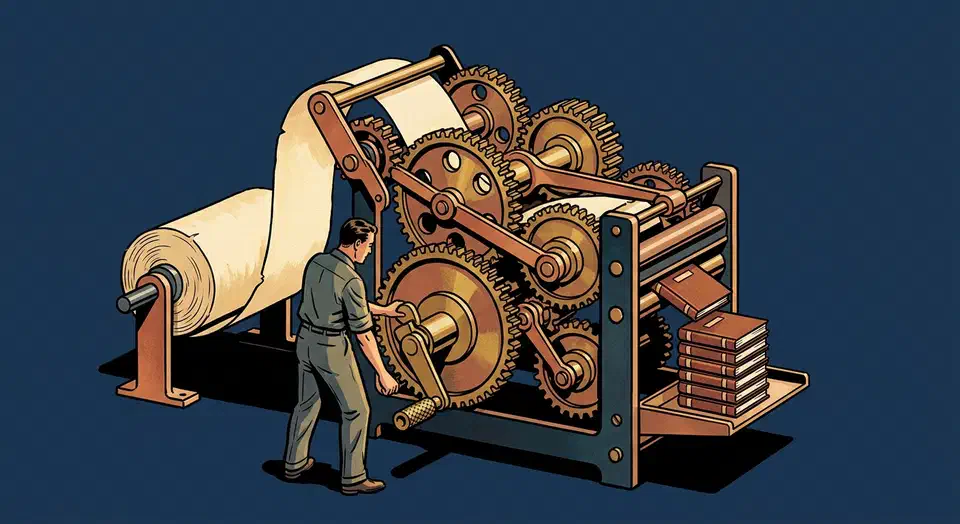
You can build a working static site generator in about 100 lines of Python. The result reads Markdown files from a content directory, parses their YAML front matter, converts the Markdown to HTML, wraps everything in Jinja2 templates, and writes the output to a public/ folder ready to be served by any web server. It is the same fundamental pipeline that powers tools like Hugo
, Jekyll
, and Eleventy
- just stripped down to the essentials so you can see exactly how the pieces fit together.
Developer-Tools
Python Markdown Blog: 100 Lines of Code

WCAG 2.2 Web Forms: Error Handling, Validation, ARIA
Accessible web forms start with semantic HTML and use ARIA only to fill gaps native elements can’t reach. Use aria-live for error announcements and aria-describedby to link messages to fields. Following WCAG
2.2 AA ensures every user can perceive, navigate, and complete your forms using only a keyboard.
Most form accessibility failures are not caused by missing ARIA. They come from developers skipping basic HTML semantics like labels and fieldsets. Patching this damage with ARIA often makes things worse. The W3C’s first rule is simple: no ARIA is better than bad ARIA. Misapplied roles or redundant labels create noise instead of clarity.

Build a Self-Hosted CI/CD Pipeline with Gitea Actions and Docker
Running CI/CD through GitHub Actions or GitLab CI is handy until it isn’t. Free tier minute limits run out fast. Private repos cost more than you’d expect. And if your code is sensitive, you’re sending every push through someone else’s servers. Self-hosting your pipeline sidesteps all of that.
Gitea is a light, self-hosted Git service. It has added GitHub Actions-compatible workflow support through a piece called act_runner . The workflow YAML syntax is near-identical to GitHub Actions. So teams who already know that ecosystem can move over with little friction. This guide walks through a complete, production-ready CI/CD stack on Linux using Docker Compose.

Build an AI-Powered Terminal Assistant with Ollama and Shell Scripts
You can build a practical AI terminal assistant by wiring Ollama’s
local API into shell functions that explain errors, suggest commands, and summarize man pages - all from your .bashrc or .zshrc. No Python dependencies, no cloud API keys, no persistent daemon consuming RAM when you’re not using it. The whole thing fits in under 120 lines of shell script and responds in under a second on modest hardware with a model already loaded.
Monorepo Management with Turborepo: A Practical Guide
Turborepo
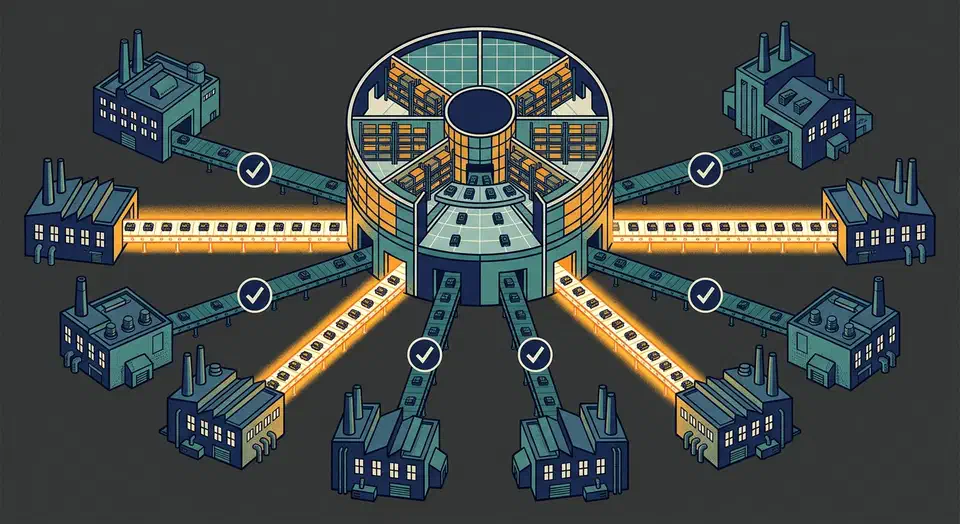
is a fast build system for JavaScript and TypeScript monorepos. It uses content-aware caching, parallel tasks, and smart dependency ordering. The result: multi-package repos that stay fast to work with. You define workspace packages in a pnpm-workspace.yaml file, then add a turbo.json that declares task dependencies and caching rules. Turborepo handles the rest. Running turbo run build only rebuilds packages whose source files changed. Cache hits restore build outputs in milliseconds instead of minutes.

Debug C, C++, Rust Programs: GDB 17.1 & LLDB 22.1 Guide
GDB and LLDB are the two workhorses of compiled-language debugging. If you write C, C++, or Rust, knowing these tools saves you hours of staring at printf output. GDB 17.1 is the default debugger on Linux. LLDB 22.1 ships with the LLVM toolchain and is the default on macOS. Both handle Rust binaries through rustc’s DWARF debug info. This guide covers the commands and workflows you actually need: from your first breakpoint to a segfault from a core dump.