 Botmonster Tech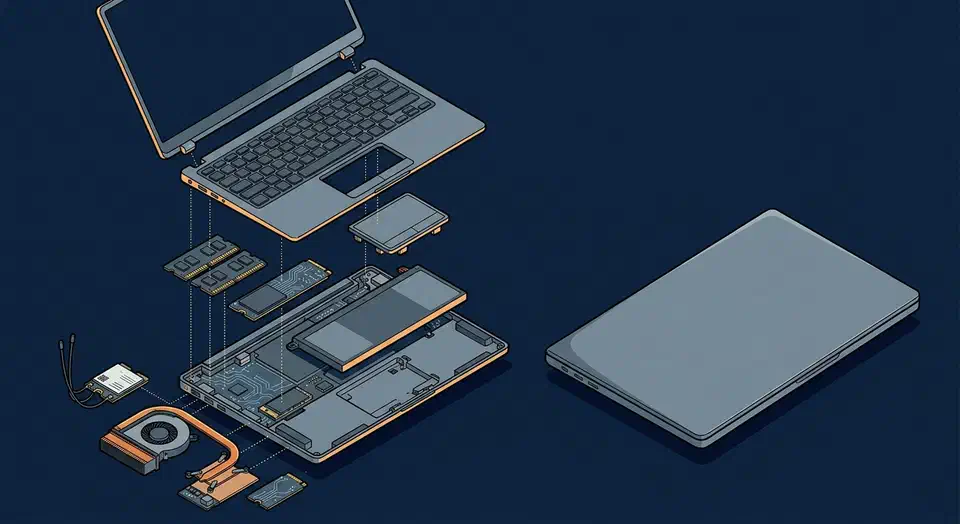
The ThinkPad X1 Carbon Gen 13 is the better daily-driver for developers who prioritize battery life, keyboard quality, and a polished out-of-the-box Linux experience. The Framework Laptop 16 wins if you value user-replaceable components, GPU modularity, and the ability to upgrade RAM and storage years down the line. Both run Linux excellently in 2026, but they serve different philosophies: the ThinkPad is a refined appliance, and the Framework is a repairable platform.
Hardware

Why Is My USB-C Charger So Slow? Understanding USB Power Delivery
USB Power Delivery (USB-PD) is supposed to be the universal charging standard that ends cable chaos. In practice, plugging in the wrong cable or charger gives you a device that charges at 5W instead of 100W - or refuses to charge at all. The root cause is almost always one of three things: a cable rated below what the device needs, a charger that advertises high wattage but only supports a narrow set of voltage profiles, or confusion between USB-PD and the half-dozen proprietary fast-charging protocols that coexist with it.
Btrfs vs ZFS: Which Filesystem Protects Your Data Better?
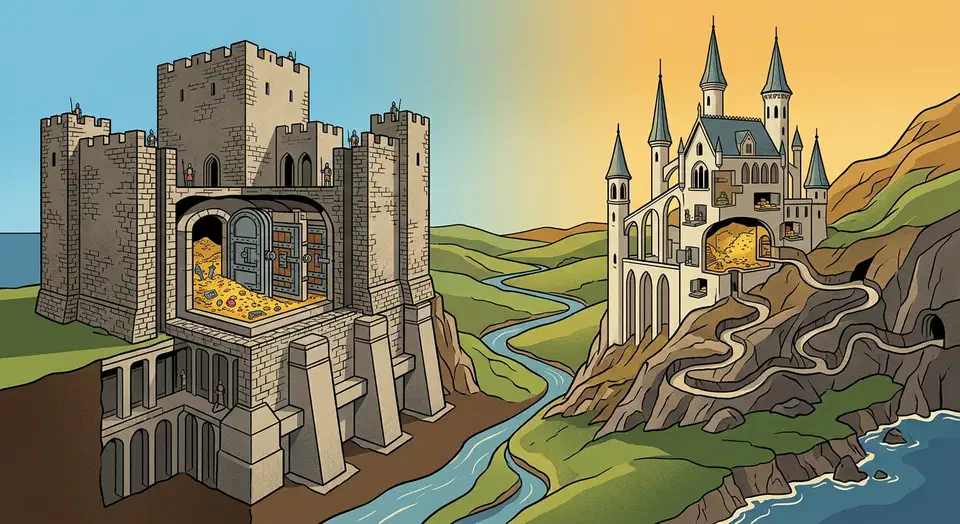
ZFS gives you stronger data integrity. Its RAIDZ layouts are battle-tested, it checksums data end to end, and it has a proven record on NAS systems. Btrfs is the better pick for single-disk desktops and laptops. It ties tightly into the Linux kernel, compresses data on the fly, and rolls back from snapshots. You get that protection without the RAM cost ZFS demands. The right answer depends on your hardware, your workload, and how many disks you have.

Build a Fanless Home Server for Under $300: Silent, Efficient, and Powerful
A fanless home server under $300 is real in 2026. Using an Intel N150 or N305 mini PC - the Beelink EQ12 Pro or GMK NucBox G3 - you get a passively cooled machine that draws 6-15W under load, makes zero noise, and handles a full stack of self-hosted services: Home Assistant, Jellyfin, Vaultwarden, Nextcloud, Immich, and a WireGuard VPN all running simultaneously without a single fan spinning.
RTX 5080 vs. RTX 5090: The Best GPU for Local AI Workloads in 2026
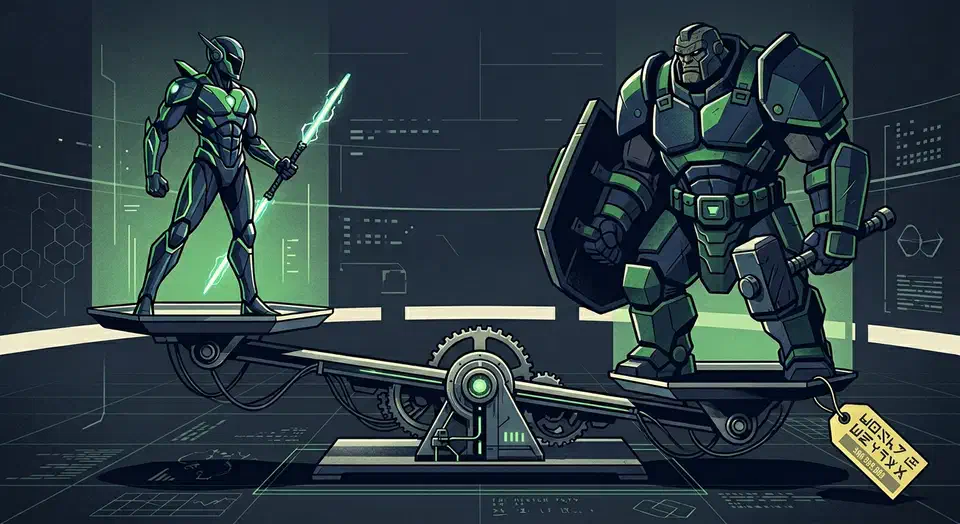
For most local AI workloads in 2026, the RTX 5080 with 16 GB of GDDR7 is the better buy. It delivers 40-60 tokens per second on quantized 7B-13B parameter models at roughly half the price of the RTX 5090. The RTX 5090’s 32 GB of GDDR7 only justifies the premium if you regularly run 30B+ parameter models or full-precision fine-tuning jobs that cannot fit in 16 GB of VRAM. If either of those describes you, the 5090 earns its keep. If not, you are paying $1,000 extra for headroom you will not use.

The State of Consumer SBCs in 2026: Trends, Trials, and the RISC-V Frontier
The consumer SBC market in 2026 is not dead. It is just no longer what it was sold as. Raspberry Pi, Orange Pi, Rock Pi, and the rest of the single-board computer crowd now ship 70-80% of their units to industrial customers. Think factory automation, digital signage, point-of-sale terminals, and medical devices. The $35 computer that was meant to put a hackable Linux machine in every teenager’s bedroom is now more likely bolted inside a mall vending machine.