 Botmonster Tech
The ThinkPad X1 Carbon Gen 13 is the better daily-driver for developers who prioritize battery life, keyboard quality, and a polished out-of-the-box Linux experience. The Framework Laptop 16 wins if you value user-replaceable components, GPU modularity, and the ability to upgrade RAM and storage years down the line. Both run Linux excellently in 2026, but they serve different philosophies: the ThinkPad is a refined appliance, and the Framework is a repairable platform.
Linux

Rust Goes Stable in Linux Kernel 7.0: What It Means for Developers
Linux 7.0 makes Rust a permanent part of the kernel development model. Kernel builds now use stable Rust releases anchored to the Debian stable toolchain. Drivers like NVIDIA’s Nova and Android’s ashmem already run on millions of devices. This policy change lets developers use a language that eliminates memory-safety bugs at compile time.
Why the Kernel Needed Rust in the First Place
Bringing Rust into the kernel wasn’t about ideology. About two-thirds of kernel security bugs come from memory issues like buffer overflows and use-after-free errors. These are the expected costs of writing software in C. Manual memory management gives control but lacks guardrails. One mistake can lead to a major exploit or a system crash.
Linux File Recovery: extundelete, PhotoRec, Btrfs snapshots
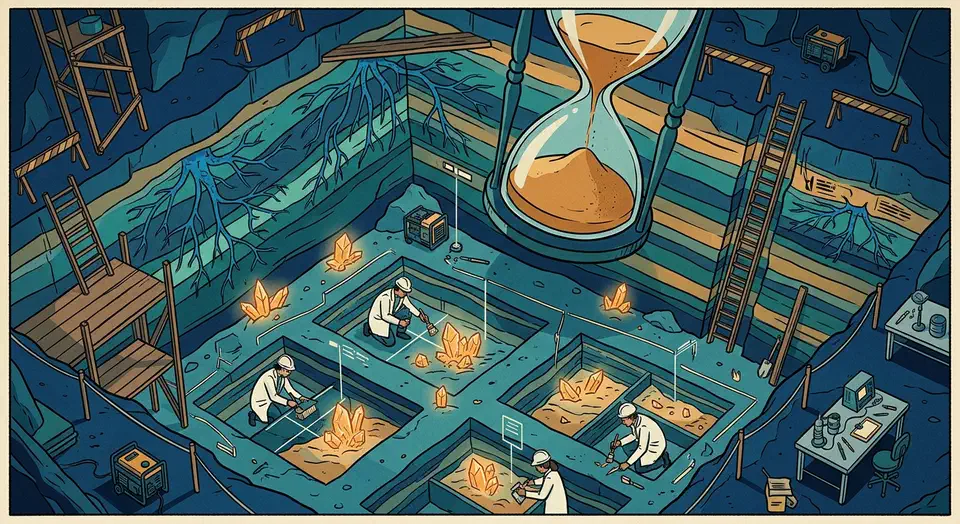
If you just ran rm on something important and you’re in a panic, stop touching that filesystem right now. Run mount -o remount,ro /dev/sdX to remount the partition read-only first. Every write to the disk after deletion cuts your odds of getting those files back. Here is the short answer. For ext4, try extundelete
or debugfs first, then PhotoRec
as a fallback. For Btrfs, roll back a snapshot if you have one, or use btrfs restore if you don’t. The right move depends on your case, so read on.
Tailscale Mesh VPN with WireGuard: 100 Devices, Zero Config
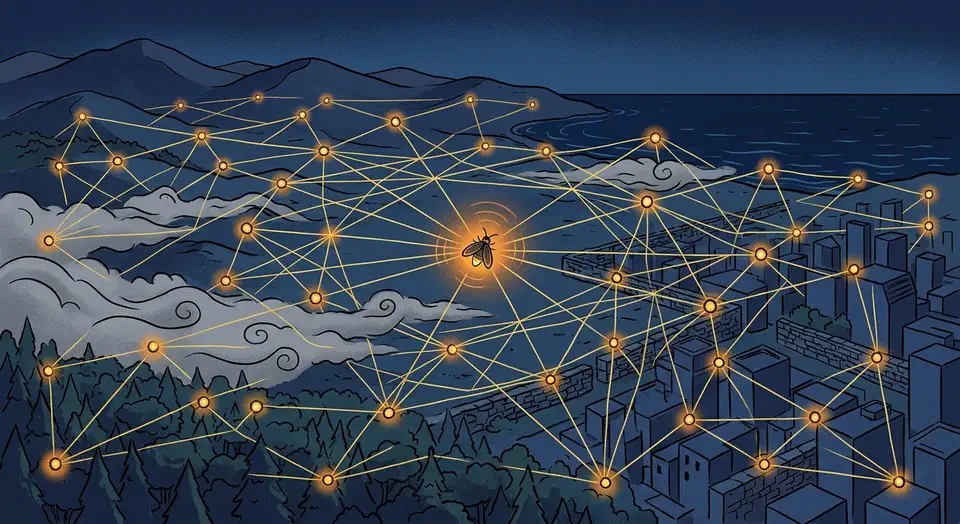
Tailscale builds a private WireGuard
-based mesh VPN across all your devices with almost no setup. You install the client on each machine and sign in with your identity provider. Every device then gets a stable 100.x.y.z IP that works no matter the NAT, firewalls, or network changes. Tailscale
v1.96 adds ACL tags for per-device policy, exit nodes, subnet routers, and MagicDNS for hostname lookups. For homelabbers, it is the easiest way to link a server, cloud VPS, phone, and laptop into one network.

Migrate to Wayland Without Reinstalling Linux
You can switch your Linux install from X11 to Wayland without reinstalling anything. The move comes down to picking a Wayland session at your login screen. After that, three things need follow-up: Xwayland for legacy X11 apps, input setup through libinput instead of xorg.conf, and a few environment variables. Those variables let toolkits like Qt, GTK, and Electron render through Wayland instead of falling back to X11. Most people finish in an afternoon. You can keep an X11 session as a fallback until you’re happy everything works.
Docker Image Hardening: Minimal Bases, Non-Root, and Trivy Scans
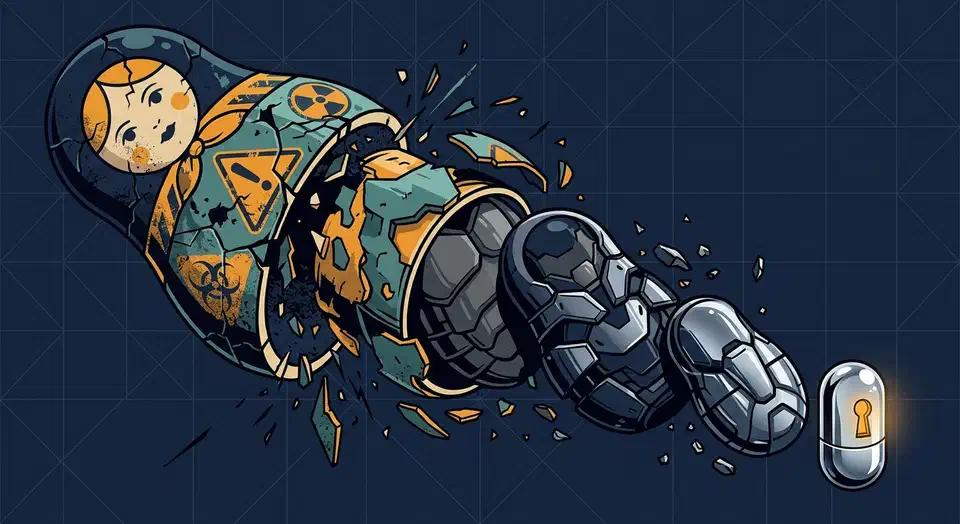
Hardening a Docker image means cutting the attack surface at every layer. Start from a minimal base like distroless or Alpine. Run as a non-root user. Set the filesystem read-only. Drop all Linux capabilities and add back only what the app needs. Pin dependency versions with checksums. Scan images with Trivy or Grype before you push. Each layer of this checklist stands on its own, so you can adopt them one at a time.