 Botmonster Tech
When you have one automation watching multiple switches, you don’t need to hardcode which one to turn off. You can use the trigger object to dynamically target whichever device started the automation.
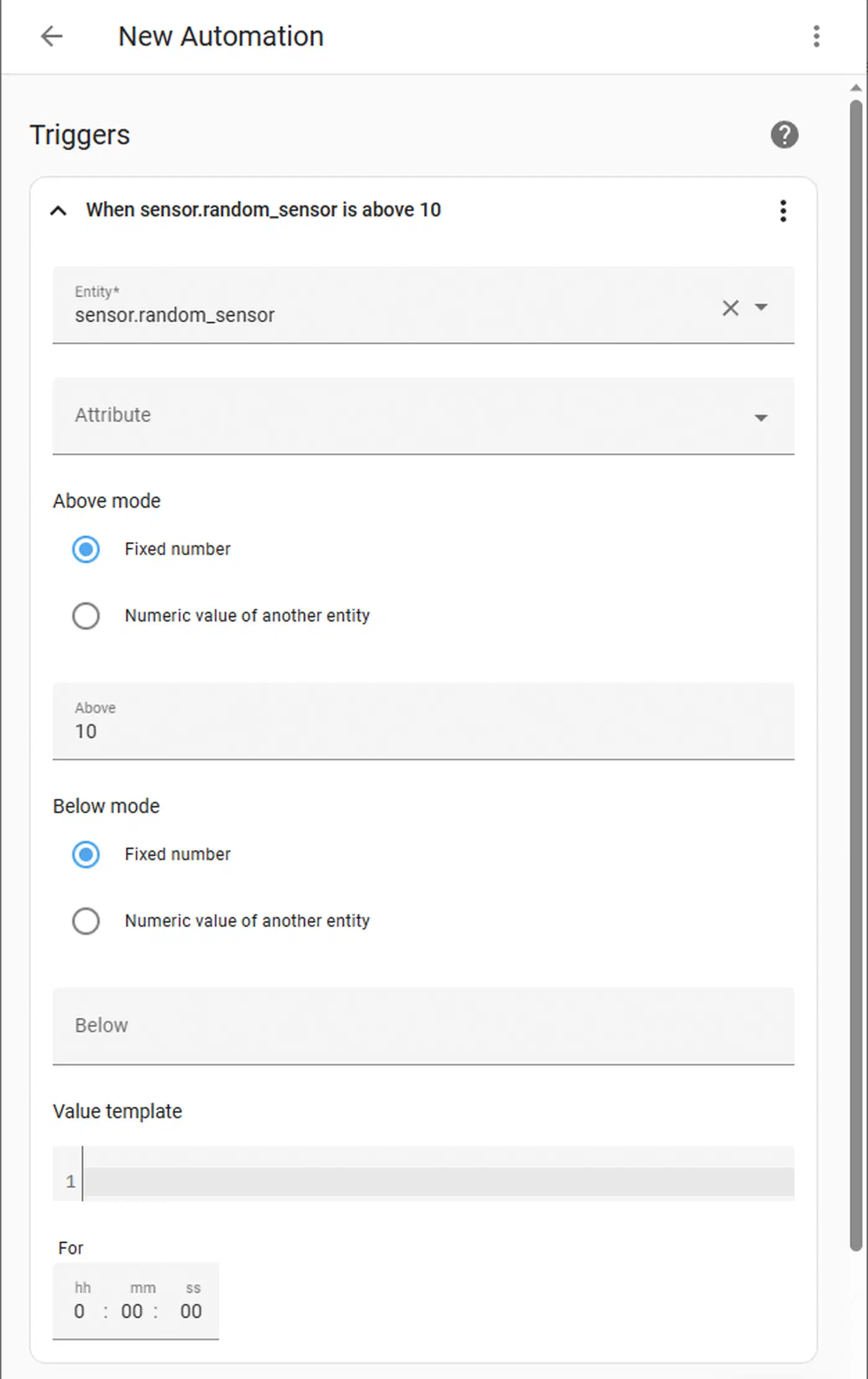
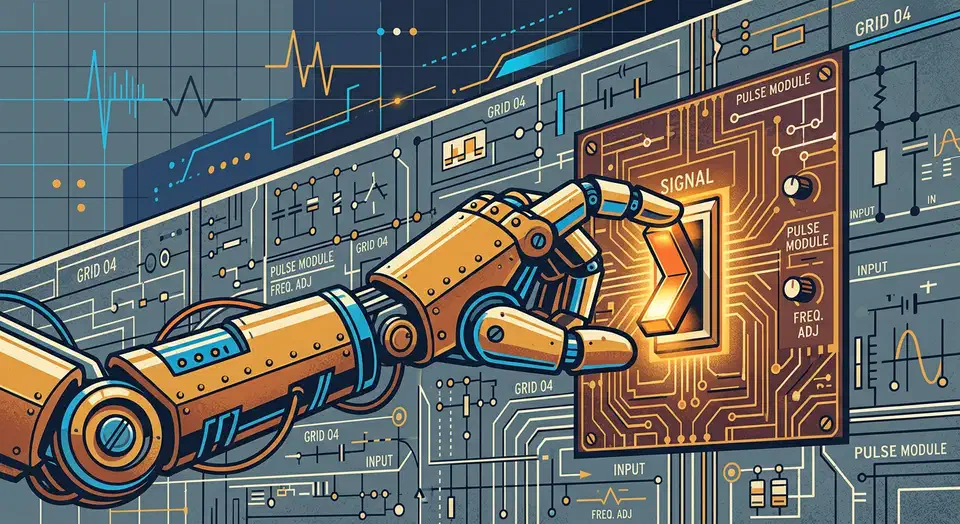
When you have one automation watching multiple switches, you don’t need to hardcode which one to turn off. You can use the trigger object to dynamically target whichever device started the automation.
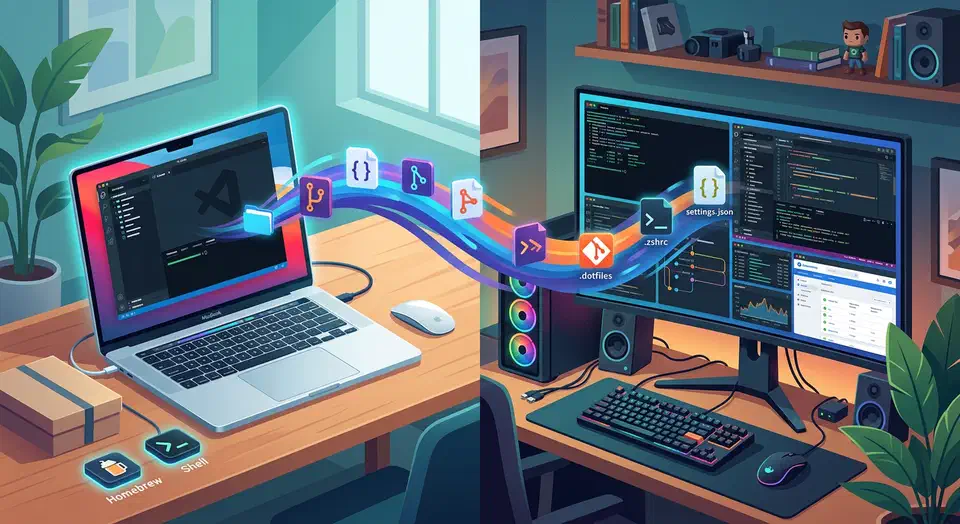
If you reinstall Linux more than once a year, your setup is probably still too manual. Most people keep a checklist in their head: install packages, copy shell config, fix fonts, set up Git and SSH, restore editor plugins. Then they spend a week finding what they forgot. That works until it doesn’t. A failed SSD, a new laptop, or a distro hop shows how fragile the workflow is.
A better model is to treat your desktop like infrastructure: declarative, version-controlled, and repeatable. Ansible handles package and system state. GNU Stow links your dotfiles cleanly. The result is a setup you can rebuild in 20 to 40 minutes with few hand edits. It also keeps improving over time instead of drifting.
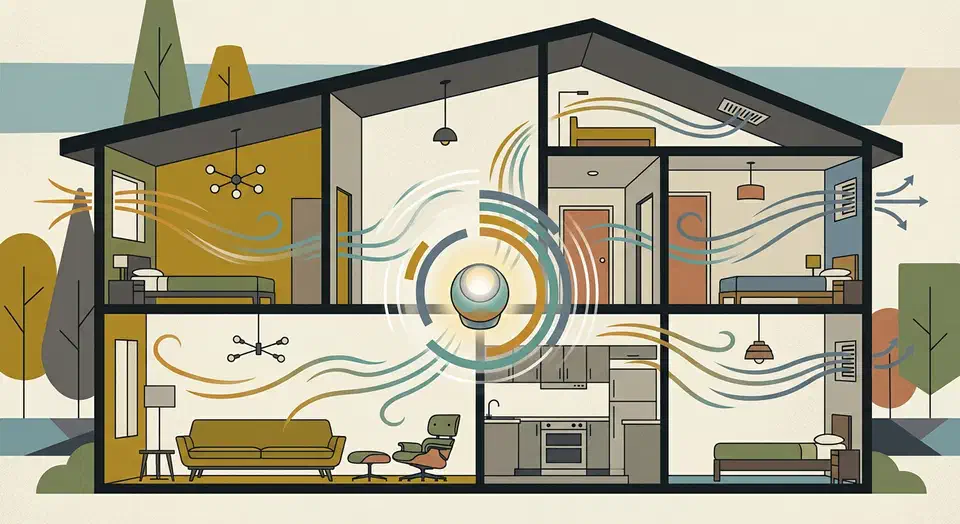
A DIY air quality monitor built on an ESP32 and a modern particle sensor is one of the best home automation projects you can finish in a single afternoon. Wire a PMS5003 or the newer Sensirion SEN66 to an ESP32 and flash ESPHome . Within minutes, Home Assistant finds the device on your local network. No cloud account, no monthly fee, no privacy worries.
Most people think of air pollution as an outdoor problem. In fact, indoor air is often worse. Cooking on a gas stove, burning candles, running a laser printer, using sprays, or even new furniture off-gassing formaldehyde can push indoor pollutants well above outdoor levels for hours.