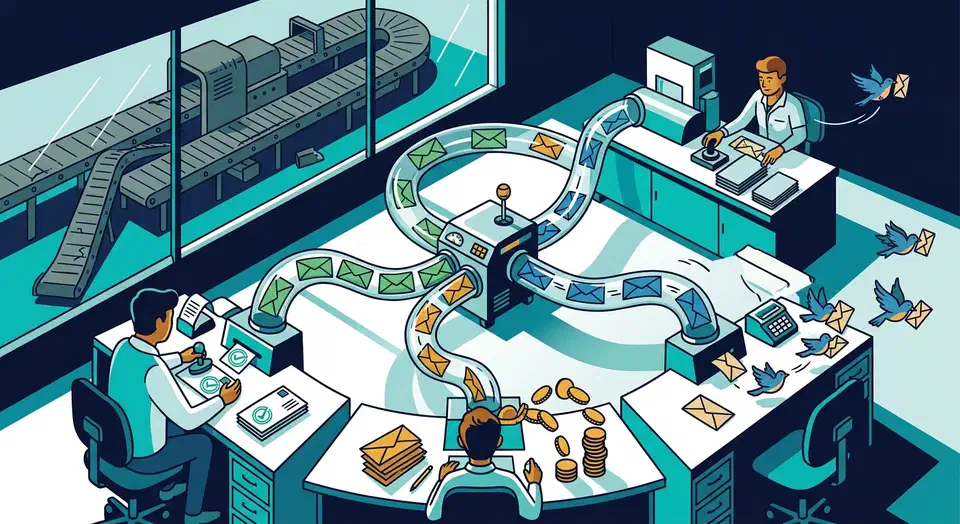
OpenClaw’s bundled claude-cli backend is officially sanctioned by Anthropic. OAuth-token extraction tools stay blocked. The carve-out works because shelling out to claude -p preserves prompt caching, so a $20 Pro or $200 Max sub routes through OpenClaw without four-figure API bills. The catch used to be a 5-hour usage cap. From June 15, 2026, that claude -p traffic moves onto a separate monthly Agent SDK credit, so the real limit is now a modest dollar budget.
OpenClaw on Your $20 Claude Sub After Anthropic Banned It
URL Shortener in 200 Lines of Python
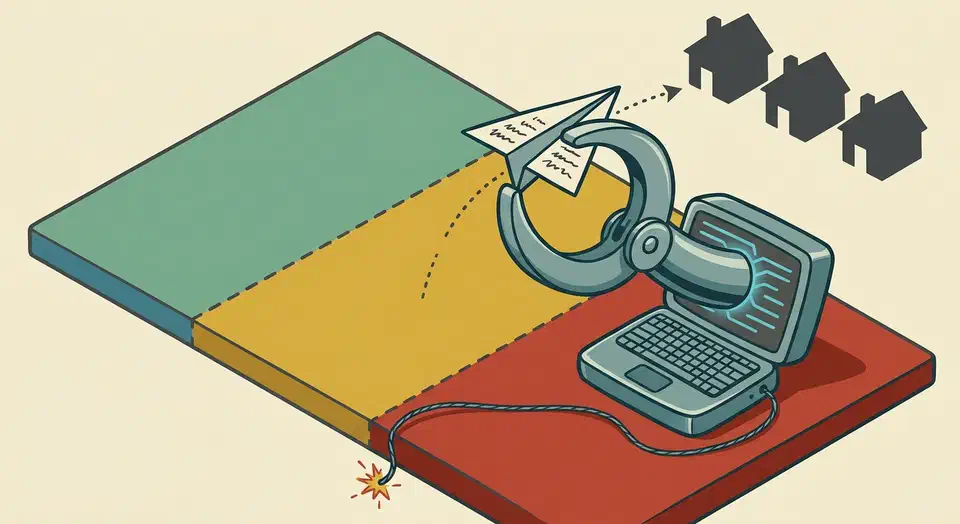
I’ll show you how to build a real URL shortener in under 200 lines of Python. We’re going to use FastAPI for the web layer, SQLite for storage, and base62 encoding for short codes. I’ll walk you through a redirect endpoint, a click counter, and rate limiting with SlowAPI . In my experience, this simple stack handles millions of links on one server.
Key Takeaways
- Build a production-ready URL shortener with fewer than 200 lines of Python.
- Use SQLite for zero-config storage that handles thousands of requests per second.
- Implement base62 encoding to turn database IDs into short, clean strings.
- Protect your service with SlowAPI rate limiting to block spam bots.
- Deploy the entire app in a 50 MB Docker container behind a Caddy reverse proxy.
Architecture and Tech Stack Choices
Before I write any code, I want to walk you through why I picked this stack. Picking the wrong stack for a small project either over-engineers it or under-builds it. I’ve seen systems fall over at a few hundred users, and I want to help you avoid that.
1,000 OpenClaw Deploys Later
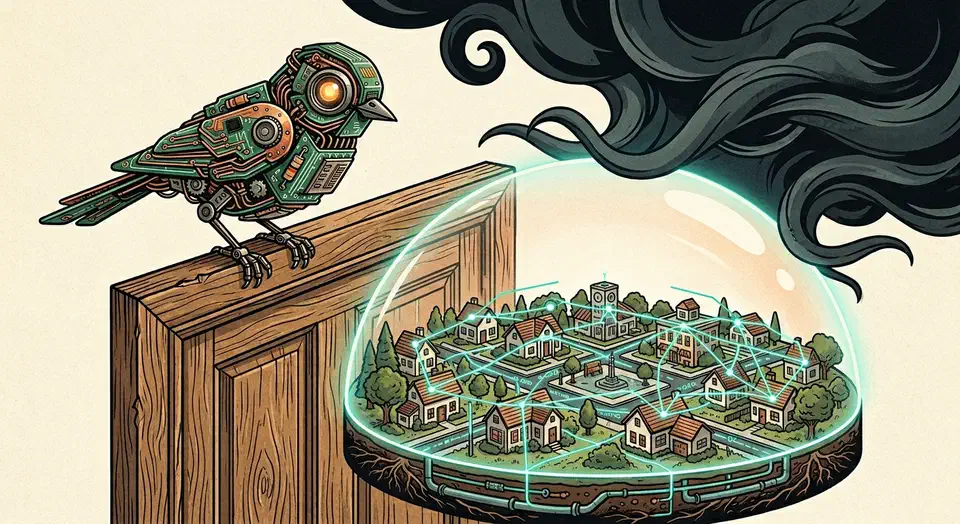
After publishing a 7-minute OpenClaw deploy video and watching roughly 1,000 isolated VMs spin up afterward, one r/LocalLLaMA cloud-infra operator concluded the only OpenClaw workflow that survives unsupervised execution is a daily news digest. Memory is the load-bearing failure mode, not a fixable bug. OpenClaw sits at 370K+ GitHub stars, but the working-workflow count has barely moved.
Key Takeaways
- A cloud-infra operator watched roughly 1,000 OpenClaw deploys and found one reliable use case.
- Memory unreliability is built into how the agent works, not a bug a patch can fix.
- Daily news digests are the exception because they keep no state between runs.
- The same digest can be built with a cron job and any LLM API in about ten lines.
- OpenClaw’s founder admitted that recent releases were a “rough week”.
The 1,000-Deploy Post That Broke the Consensus
The contrarian thesis is anchored to one specific source: an r/LocalLLaMA post titled “OpenClaw has 250K GitHub stars. The only reliable use case I’ve found is daily news digests” , with 335 comments and 891 votes. The OP is not a casual skeptic. He runs cloud infrastructure where strangers spin up Linux VMs, published a deploy walkthrough that took off, and now has a dataset most reviewers do not have access to.
The 80% Coverage Trap: Why AI-Generated Tests Create a False Sense of Security
AI test generators make it easy to hit 80% or even 90%+ line coverage. Point GitHub Copilot
at a codebase, use the @Test directive, and watch it write hundreds of test methods by itself. The number looks great on a dashboard. But line coverage only measures execution, not detection. A test suite can run every line of your code while checking nothing about whether that code is correct. In one 2026 experiment, an AI-built suite scored 93.1% line coverage but only 58.6% on mutation testing. Over a third of realistic bugs slipped through undetected, with CI green across the board.
Shelly Relay Garage Automation: $20 Install, Zero Warranty Risk
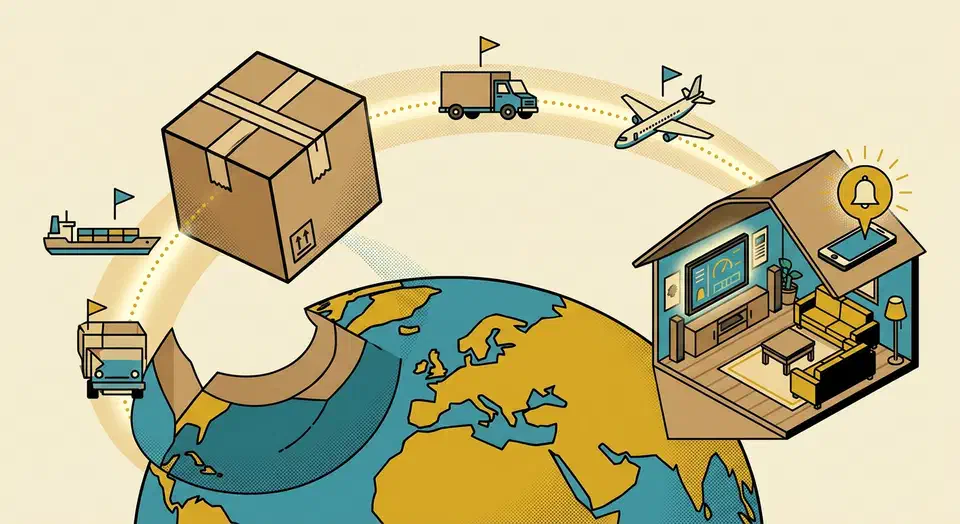
Wire a Shelly 1 relay in parallel with your existing garage door opener’s wall button, attach a reed switch for open/closed state detection, and integrate both with Home Assistant . That is the whole project. You get remote control, auto-close timers, arrival-based opening, and departure-based closing for under $20 in hardware, without replacing your existing opener or voiding any warranties.
This approach works because nearly every residential garage door opener - Chamberlain, LiftMaster, Genie, Craftsman - uses the same basic control mechanism. The wall button shorts two low-voltage wires together, and the motor responds. The Shelly relay replicates that button press electronically. Your physical wall button keeps working; the relay just adds a second way to trigger the same circuit.
Home Assistant Energy Dashboard: 4 Flows, Solar, and Battery Tracking
The Home Assistant Energy Dashboard shows you where your power comes from, where it goes, and what it costs. If you have solar panels and a battery, it’s the best way to track output, storage cycles, grid flow, and per-device use, all without your inverter maker’s cloud app.
Setup takes care, though. The dashboard wants specific sensor types with specific attributes. Get those wrong and you get blank graphs or wildly wrong numbers. Below: the sensor rules, how to wire up popular inverter and battery brands, the dashboard setup itself, and some custom sensors for deeper insight into your solar setup.
Botmonster Tech