 Botmonster Tech
Thread is a low-power, IPv6-based mesh protocol for smart home devices. Since ESPHome
2025.6.0, you can flash Thread-native firmware onto any ESP32-H2 or ESP32-C6 board. No Zigbee2MQTT, no WiFi congestion. Grab an ESP32-H2-DevKitM-1, write a short ESPHome config with the esp-idf framework and the openthread component, then join it to a Thread border router
like Home Assistant Yellow or a HomePod mini. Your sensors show up over IPv6 with sub-second latency and battery life measured in months.
Esphome
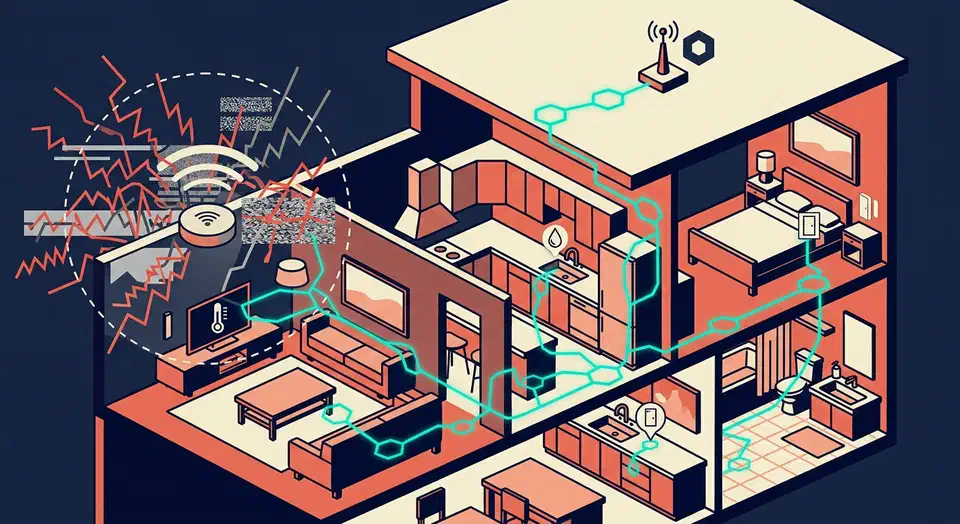
Build a Thread Device With ESPHome and the ESP32-H2
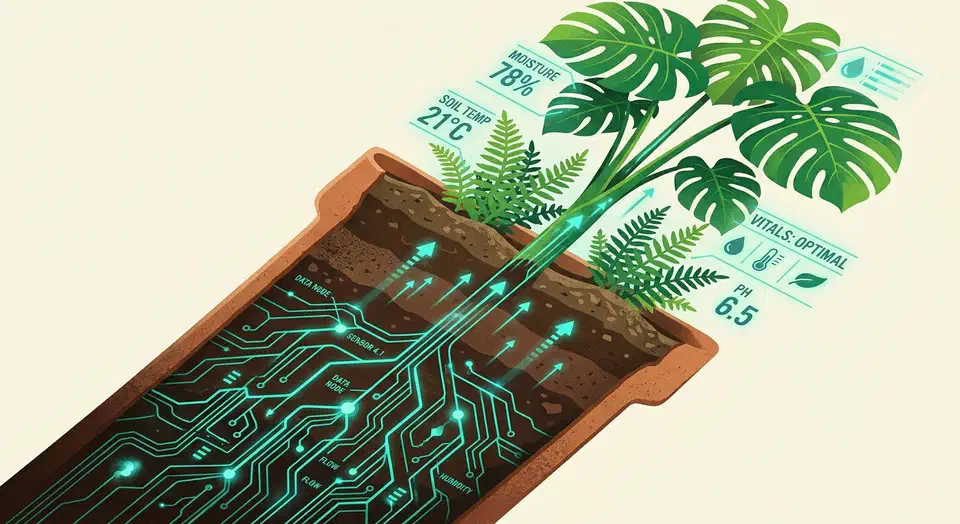
Plant Monitor System ESP32: Under $10 Per Plant
Yes, you can monitor every houseplant in your home for under $10 per plant. A single ESP32 board running ESPHome (currently at version 2026.3.0) reads capacitive soil moisture sensors, a BH1750 light sensor, and an AHT20 temperature/humidity sensor, then feeds everything straight into Home Assistant . From there, automations send you a notification when a plant needs water, dashboards show moisture trends over weeks, and you stop guessing whether that fern in the corner is actually happy. This guide covers sensor selection, wiring a 4-plant monitoring hub, the complete ESPHome YAML configuration, Home Assistant dashboards, and tips for long-term reliability.

Automate Your Pool or Hot Tub with Home Assistant and ESPHome Sensors
Pool and hot tub chemistry can swing from safe to damaging in a few hours. A paper strip you dip once a week will not catch it. The fix is cheap: a waterproof ESPHome sensor built around an ESP32 , reading water temperature, pH, and ORP, piped into Home Assistant for pump schedules, chemical alerts, and cover reminders. A full setup runs under $80. It replaces guesswork with a live dashboard and push alerts that fire before your heater corrodes.

Bluetooth Proxies Under $20: Room Detection with ESP32-C3
Drop a few ESP32 boards ($3-8 each) flashed with ESPHome ’s Bluetooth Proxy firmware into rooms where BLE devices drop out. Home Assistant then routes Bluetooth traffic through the nearest proxy on its own. Each proxy adds about 10-15 meters of BLE coverage through interior walls, needs only a USB power cable, and works with HA’s native Bluetooth setup. The BLE devices themselves need no config changes. They have no idea they’re talking through a relay.

Shelly Relay Garage Automation: $20 Install, Zero Warranty Risk
Wire a Shelly 1 relay in parallel with your existing garage door opener’s wall button, attach a reed switch for open/closed state detection, and integrate both with Home Assistant . That is the whole project. You get remote control, auto-close timers, arrival-based opening, and departure-based closing for under $20 in hardware, without replacing your existing opener or voiding any warranties.
This approach works because nearly every residential garage door opener - Chamberlain, LiftMaster, Genie, Craftsman - uses the same basic control mechanism. The wall button shorts two low-voltage wires together, and the motor responds. The Shelly relay replicates that button press electronically. Your physical wall button keeps working; the relay just adds a second way to trigger the same circuit.

ESP32 Mailbox Sensor: Reed Switch, VL53L0X, $15, Months Battery
Mount an ESP32-C3 Super Mini with a reed switch on the mailbox door (or a VL53L0X time-of-flight distance sensor inside the box), flash it with ESPHome 2026.3, and wire it into Home Assistant - you will get instant push notifications on your phone the moment mail lands. The total parts cost sits under $15, and deep sleep keeps the whole thing alive for months on a single 18650 cell.