 Botmonster Tech
Yes, you can watch and control your 3D printer from anywhere. Just connect OctoPrint or Moonraker to Home Assistant . Both print servers expose APIs that Home Assistant can poll for live data: print progress, temperatures, camera feeds, and error states. From there you can build dashboards, fire phone alerts when a print ends, spot failures with AI camera checks, and cut power to a runaway printer through a smart plug. Setup takes about an hour once your print server runs on a Raspberry Pi. The result: a 3D printer that acts like any other smart device.
Iot

Old Android Phones as MQTT Sensors, Cameras, and Dashboards
That old Android phone in your drawer is a full sensor platform. It packs a camera, microphone, light sensor, barometer, accelerometer, proximity sensor, and a touchscreen, all on your WiFi. So don’t recycle it. You can turn it into a motion-detecting security camera, a room sensor that posts data over MQTT, or a wall-mounted Home Assistant dashboard. That dashboard rivals commercial smart displays costing $150 or more. The whole setup runs on free software, keeps your data local, and takes about an hour.

ESP32 Mailbox Sensor: Reed Switch, VL53L0X, $15, Months Battery
Mount an ESP32-C3 Super Mini with a reed switch on the mailbox door (or a VL53L0X time-of-flight distance sensor inside the box), flash it with ESPHome 2026.3, and wire it into Home Assistant - you will get instant push notifications on your phone the moment mail lands. The total parts cost sits under $15, and deep sleep keeps the whole thing alive for months on a single 18650 cell.
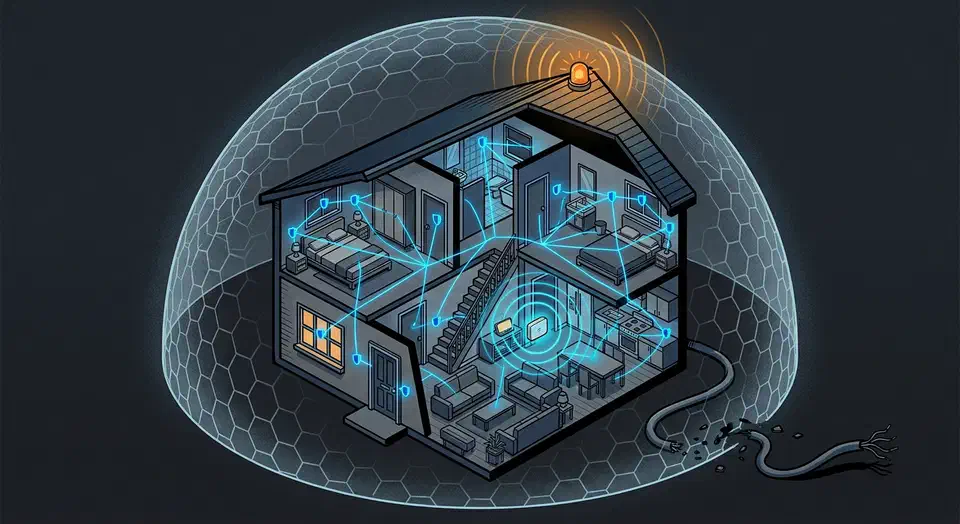
Local Z-Wave Alarm: $250 Setup, No Monthly Fee
You can build a fully local, cloud-free home alarm system with Z-Wave door and window sensors, motion detectors, and a siren wired to Home Assistant
through a Z-Wave JS controller. The built-in alarm_control_panel integration plus a few automations handle arming, disarming, entry delays, and the siren. It all runs on your local network. No cloud subscription, no monthly fee, and the alarm keeps working even when your internet goes down.
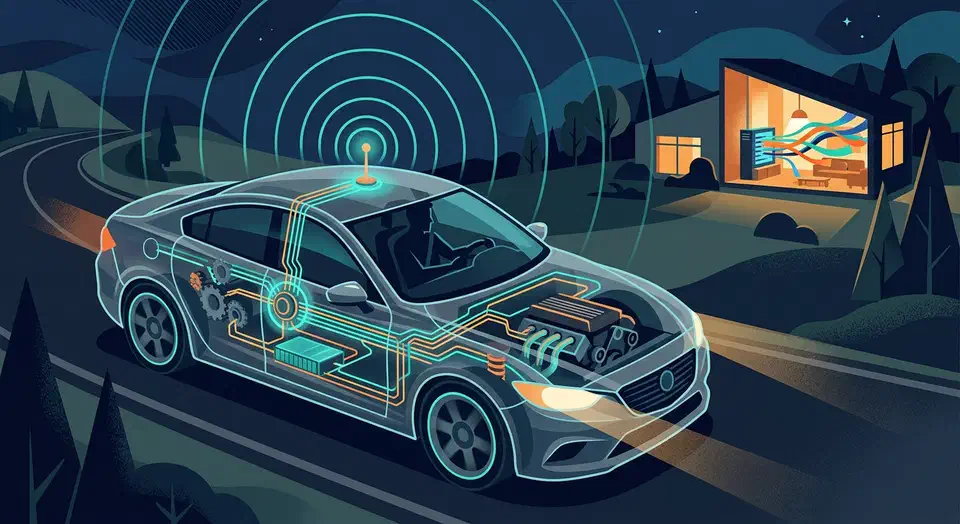
Veepeak vs OBDLink: BLE OBD-II for Home Assistant
You can stream live vehicle diagnostics and GPS location to Home Assistant by pairing a Bluetooth Low Energy OBD-II adapter with an ESPHome -based BLE proxy or a dedicated Android device running Torque Pro . This setup feeds real-time fuel economy, engine codes, coolant temperature, and GPS coordinates into Home Assistant entities, enabling geo-fenced automations like opening your garage door on arrival or logging trip fuel costs - all without any cloud dependency.

Thread Border Routers for Matter Smart Home: 2 Min, 1500+ Devices
Deploy at least two Thread border routers and connect them to the same Thread network. Each can be an Apple HomePod Mini, a Google Nest Hub (2nd gen), or a DIY OpenThread Border Router (OTBR) on a Raspberry Pi. This gives your Matter -compatible smart locks, sensors, and lights a reliable IPv6 path to your IP network. They can then talk to Home Assistant , Apple Home, and Google Home at once through Matter’s multi-admin feature. Two routers is the minimum for any network you depend on. If one goes down, the other keeps your mesh alive.