 Botmonster Tech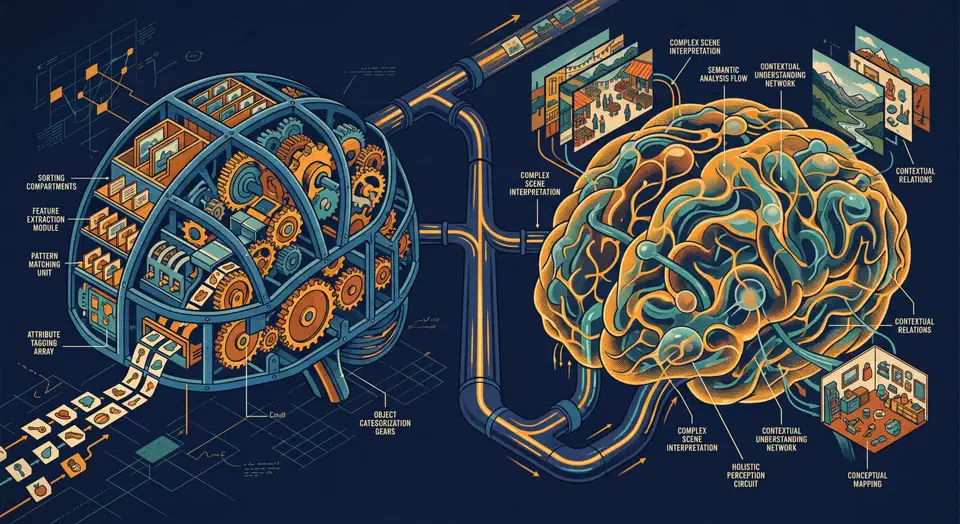
Florence-2 and Qwen2-VL both run on consumer NVIDIA GPUs with as little as 8 GB VRAM. They handle OCR, object detection, image captioning, and visual question answering, all of it offline. Florence-2 uses a small sequence-to-sequence design with task prompt tokens. That makes it fast and reliable for structured extraction. Qwen2-VL takes a chat-style approach. It handles open-ended reasoning, dense documents, and follow-up questions. The two models work best as a pair, not as swaps for each other.
Local-Ai
Home Assistant AI Voice With a Local LLM: What Works in 2026
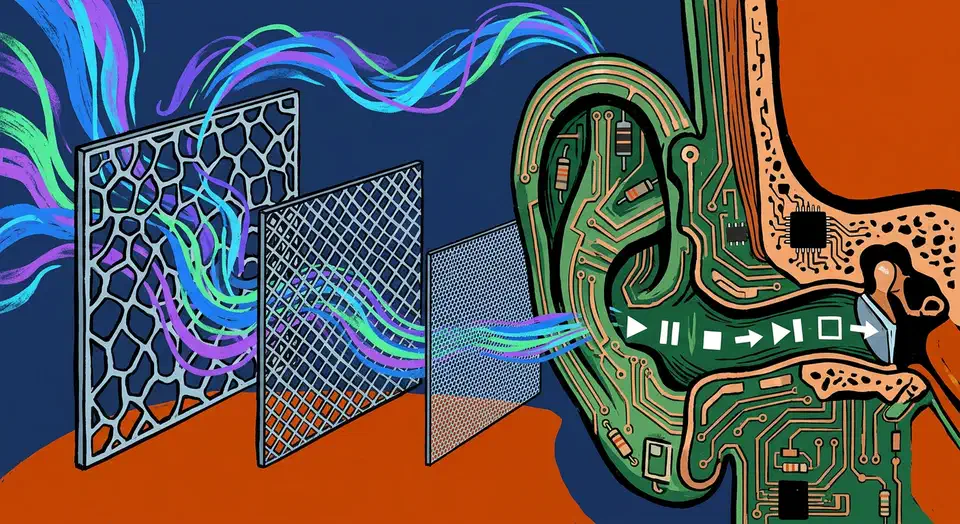
Home Assistant AI voice control with a local LLM as the brain is practical in 2026. No Amazon, no Google, no cloud. The Assist pipeline already handles the plumbing: wake word, speech-to-text, a conversation agent, and text-to-speech, all on your own hardware. Setting that up is the easy part. The hard part is picking a local model that calls Home Assistant’s tools without guessing. The loop also has to be fast, or it will never feel like a real assistant. This guide covers both: the 2026 stack, the models the community actually trusts, and the latency budget that makes it work.

Automating Gmail with Local AI Agents and Python
You can automate your Gmail inbox on your own machine. The Gmail API feeds messages into a private Python script. A local LLM then handles summaries, sorting, and draft replies. You get the smart inbox features that tools like Google’s Gemini sidebar or Microsoft Copilot for Outlook offer. None of your email content ever leaves your computer.
This guide walks through the full build. You’ll set up the Gmail API with minimal OAuth scopes. You’ll fetch and parse raw email data, then mask any PII with Microsoft Presidio before the model sees it. You’ll build a daily summarizer that ranks mail by urgency. You’ll also build a smart draft writer that learns from your sent mail, and you’ll wire the whole pipeline up with cron. By the end, you’ll have a working local email agent that runs on any mid-range Linux or macOS box with Ollama installed.
Setup Local Voice Control with Willow for Home Assistant
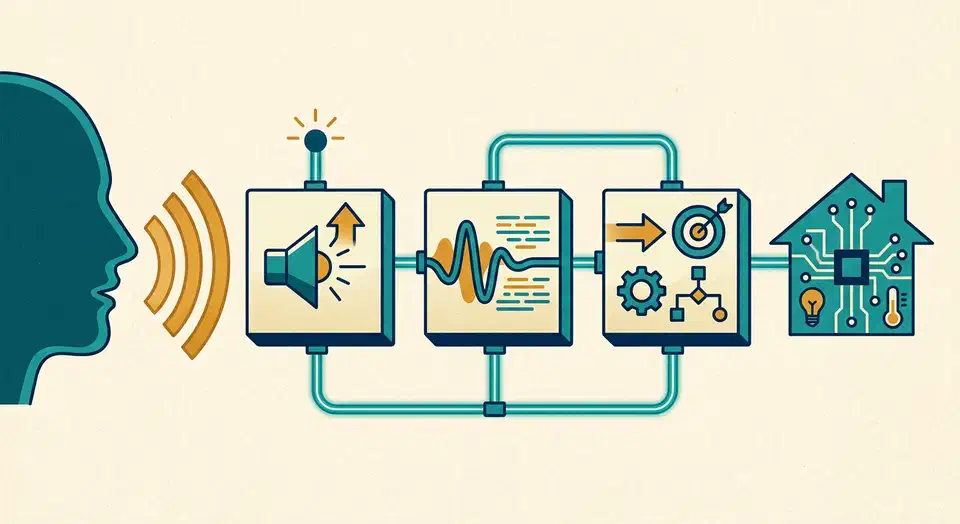
Willow gives you sub-second local voice control for Home Assistant without sending your audio to the cloud. With an ESP32-S3 Box, you can build a private smart speaker that matches the speed of commercial assistants. Every spoken word stays inside your own network. This guide walks through the full setup: hardware, server deployment, firmware flashing, pipeline config, and the fixes for the most common problems.
Why Local Voice Control Is Worth It in 2026
Say “Hey Alexa” or “OK Google” and an audio clip travels from your home to a data center. There it gets transcribed by a third-party model, passes through an intent classifier, triggers an action, and returns a response. The whole trip usually takes under two seconds. That pipeline is impressive engineering. It is also a steady stream of your household’s spoken data flowing to Amazon and Google servers, where it is logged, reviewed by contractors, and used to train future models.
Local AI Security Cameras: Frigate with Google Coral TPU
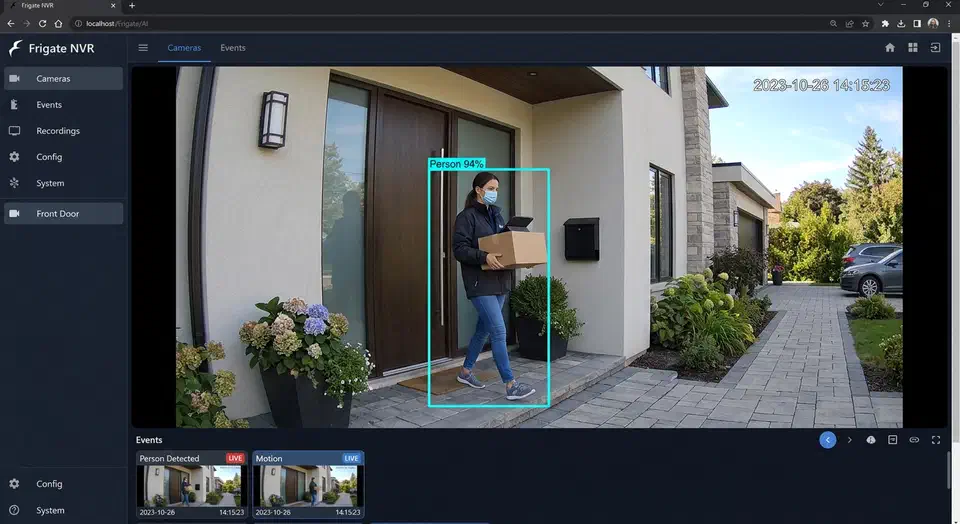
Cloud security camera fees have quietly become one of the priciest bills in the smart home. At $10 to $30 per camera each month, a full setup runs $500 to $1,000 a year. You pay that to have your own footage handled on someone else’s servers. Frigate NVR changes the math. Paired with a Google Coral TPU , it runs real-time AI person and object detection across many 4K streams. Inference times stay in the single-digit milliseconds. It all runs on hardware you own, on a network that never phones home.

Setup a Private Local RAG Knowledge Base
To build a private Retrieval-Augmented Generation (RAG) system, pair a local vector database like Qdrant with an embedding model like BGE-M3 . Add a local LLM through Ollama , and you can index hundreds of documents and ask questions about them. Your data stays on your machine.
Why RAG? The Problem With Pure LLM Memory
Large language models sound smart, but they are poor knowledge stores. They learn from old training data and know nothing about files you created later or keep private. Ask about your own data, and the model will often guess. Even strong open weight models like Llama 4.0 can invent plausible but wrong answers about content they never saw. For a deeper breakdown of why LLM hallucinations happen and how to measure them, the issue goes beyond missing context.