 Botmonster Tech
Thread is a low-power, IPv6-based mesh protocol for smart home devices. Since ESPHome
2025.6.0, you can flash Thread-native firmware onto any ESP32-H2 or ESP32-C6 board. No Zigbee2MQTT, no WiFi congestion. Grab an ESP32-H2-DevKitM-1, write a short ESPHome config with the esp-idf framework and the openthread component, then join it to a Thread border router
like Home Assistant Yellow or a HomePod mini. Your sensors show up over IPv6 with sub-second latency and battery life measured in months.
Home-Assistant
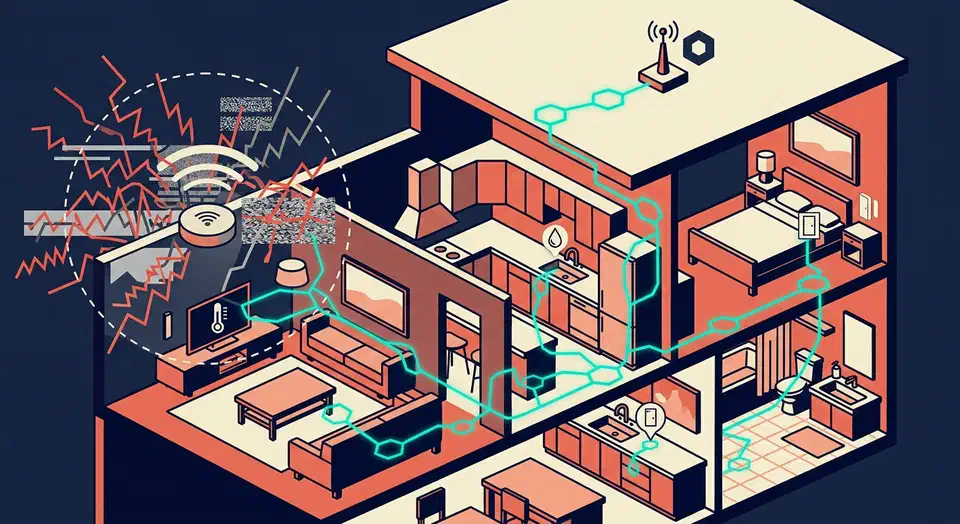
Build a Thread Device With ESPHome and the ESP32-H2
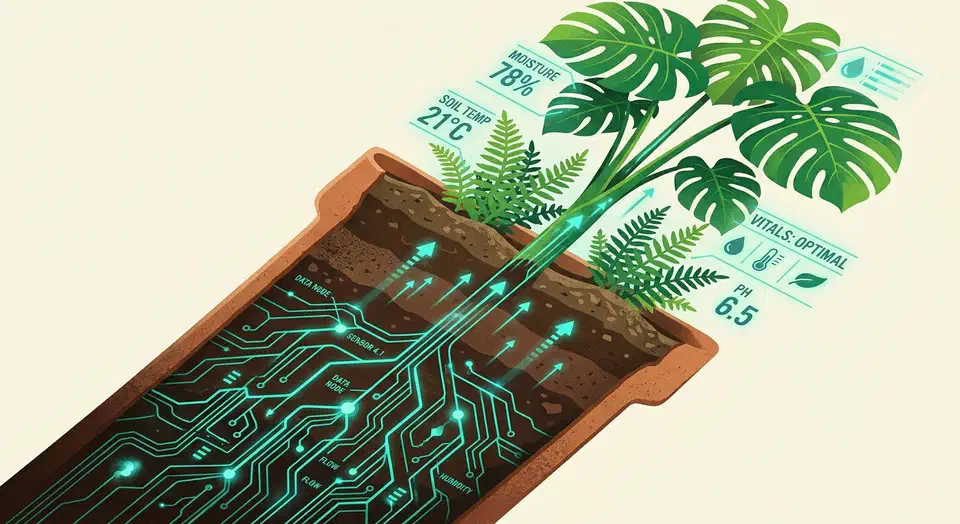
Plant Monitor System ESP32: Under $10 Per Plant
Yes, you can monitor every houseplant in your home for under $10 per plant. A single ESP32 board running ESPHome (currently at version 2026.3.0) reads capacitive soil moisture sensors, a BH1750 light sensor, and an AHT20 temperature/humidity sensor, then feeds everything straight into Home Assistant . From there, automations send you a notification when a plant needs water, dashboards show moisture trends over weeks, and you stop guessing whether that fern in the corner is actually happy. This guide covers sensor selection, wiring a 4-plant monitoring hub, the complete ESPHome YAML configuration, Home Assistant dashboards, and tips for long-term reliability.
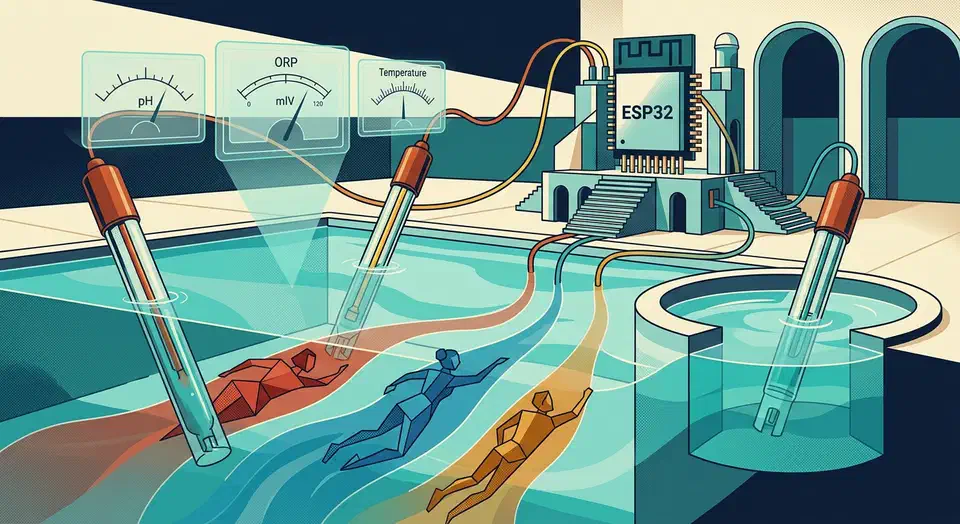
Automate Your Pool or Hot Tub with Home Assistant and ESPHome Sensors
Pool and hot tub chemistry can swing from safe to damaging in a few hours. A paper strip you dip once a week will not catch it. The fix is cheap: a waterproof ESPHome sensor built around an ESP32 , reading water temperature, pH, and ORP, piped into Home Assistant for pump schedules, chemical alerts, and cover reminders. A full setup runs under $80. It replaces guesswork with a live dashboard and push alerts that fire before your heater corrodes.
Bluetooth Proxies Under $20: Room Detection with ESP32-C3
Drop a few ESP32 boards ($3-8 each) flashed with ESPHome ’s Bluetooth Proxy firmware into rooms where BLE devices drop out. Home Assistant then routes Bluetooth traffic through the nearest proxy on its own. Each proxy adds about 10-15 meters of BLE coverage through interior walls, needs only a USB power cable, and works with HA’s native Bluetooth setup. The BLE devices themselves need no config changes. They have no idea they’re talking through a relay.
DIY Smart Doorbell for $25: Skip Ring's $5/month subscription
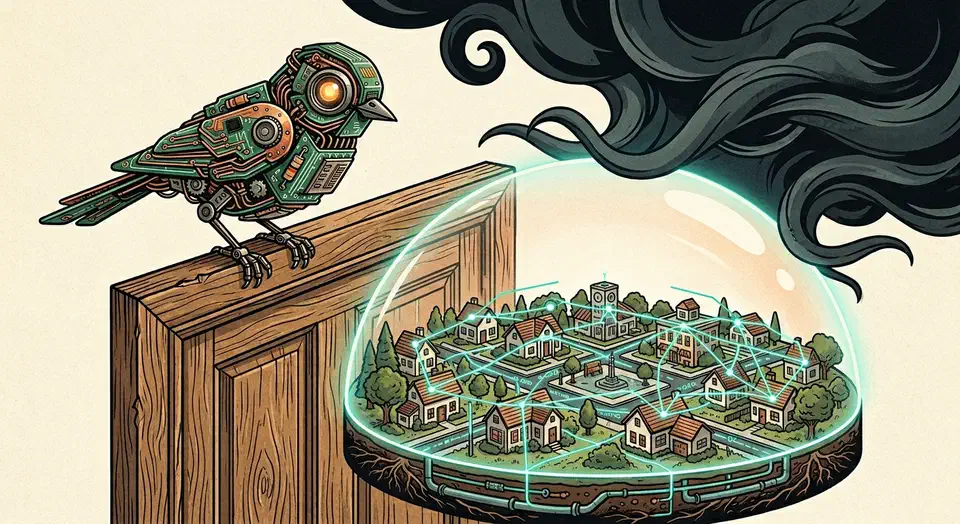
Yes, you can build a full smart video doorbell for under $25. The parts list: an ESP32-CAM board, a PIR motion sensor, a push button, and ESPHome firmware. It streams MJPEG video to Home Assistant , pushes a snapshot to your phone on button press, and saves motion clips locally. No cloud. No video leaves your network. The build takes about two hours, and every future update flashes over Wi-Fi.
Track Package Deliveries in Home Assistant with 17TRACK and Automations
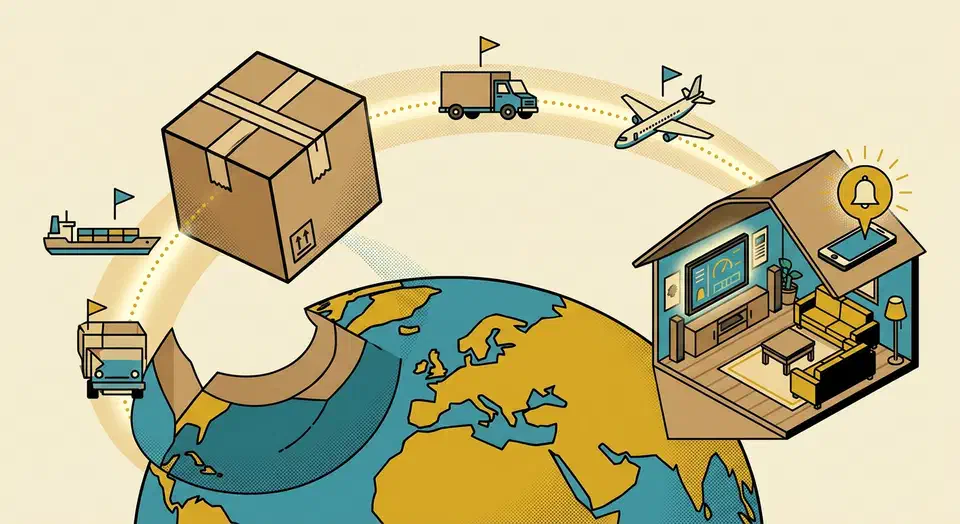
Connect a free 17track.net account to Home Assistant and you can pull tracking data from 3,200+ carriers into one place. From there, automations ping your phone, fire the porch camera, and toggle outdoor lights as boxes move through the system. Below is a working blueprint for the whole flow, from setup to multi-user alert tuning.
Setting Up the 17TRACK Integration
17track.net is a tracking aggregator. It pulls status updates from USPS, UPS, FedEx, DHL, Royal Mail, China Post, YunExpress, and roughly 3,200 other carriers across 220 countries. Once you add tracking numbers to your 17track account (by hand, through the mobile app, or via email forwarding), the Home Assistant integration mirrors them as sensor entities. You can then display them and build automations on top.