Botmonster Tech
AI Smart Home Self-Hosting Coding Web Dev Hardware jQuery Bootpag Image2SVG Tags
Botmonster Tech
AISmart HomeSelf-HostingCodingWeb DevHardwarejQuery BootpagImage2SVGTags
Designing a Professional Home Assistant Dashboard with CSS

Designing a Professional Home Assistant Dashboard with CSS

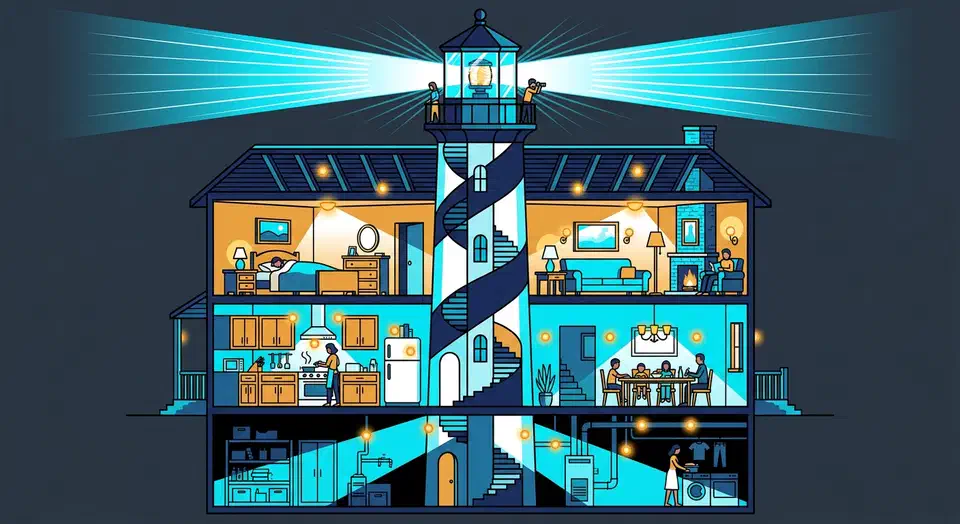
Professional Home Assistant dashboards are achieved by using custom CSS Grid layouts and HACS cards like button-card to create responsive, mobile-first interfaces. Moving beyond the default grid allows you to design a “control center” that looks like a native high-end app rather than a scrolling list of toggles. This guide walks through every layer of that transformation - from understanding why the default UI falls short, to applying CSS Grid fundamentals, building a cohesive theme, structuring room-based navigation, and making everything work beautifully on the HA Companion App.

Better Presence Detection with Bayesian Sensors in Home Assistant

Better Presence Detection with Bayesian Sensors in Home Assistant

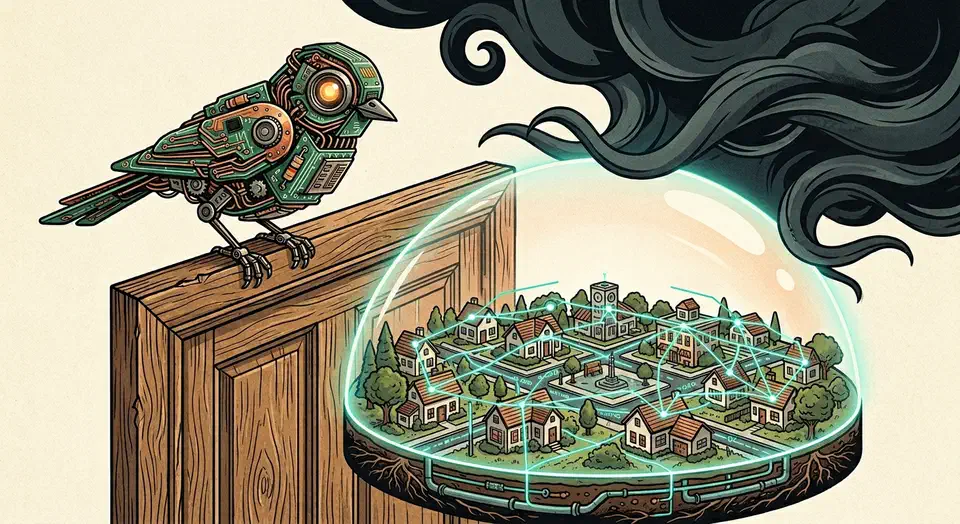
Bayesian sensors in Home Assistant give you one reliable presence signal by fusing weak ones: phone Wi-Fi, GPS zones, motion, power draw, and more. The bayesian platform doesn’t ask “is this one sensor on?” It asks “given everything I can see right now, how sure am I that someone is home?” The result is a presence system that tolerates dropouts, handles sleeping occupants, and stops the lights clicking off while you’re still on the couch.

Should You Move from Zigbee2MQTT to Matter in 2026?

Should You Move from Zigbee2MQTT to Matter in 2026?

Matter-over-Thread gives you one standard that works across Apple, Google, and Amazon. But Zigbee2MQTT still wins for power users who want deep local control over old hardware. In 2026, run both: Matter for new buys and energy gear, Zigbee for battery sensors and the long tail of devices that won’t ever get a Matter firmware update.

What Is Matter and Why Does It Exist?

For nearly a decade, the smart home was a patchwork of rival ecosystems. A Philips Hue bulb worked fine in Apple HomeKit, but pairing it with Google Home meant jumping through extra hoops. An Amazon-branded device wouldn’t talk to an Apple TV at all. Brands had to pick a platform alliance and live with it. Buyers paid the hidden cost every time they bought from a brand that didn’t play well with their hub of choice.

Build a Private Local AI Voice Assistant (2026 Guide)

Build a Private Local AI Voice Assistant (2026 Guide)

A private voice assistant that runs on your own hardware is practical in 2026. No Amazon, no Google, no cloud. With Whisper v3 for speech-to-text, a quantized Llama model for intent, and Piper for natural speech, you can build a voice-controlled setup on a Raspberry Pi 5 that never sends one audio sample to the internet. This guide walks the full stack, from wake word to Home Assistant , with a focus on low latency so it feels like a real assistant.

Writing Custom Python Integrations for Home Assistant (HACS)

Writing Custom Python Integrations for Home Assistant (HACS)

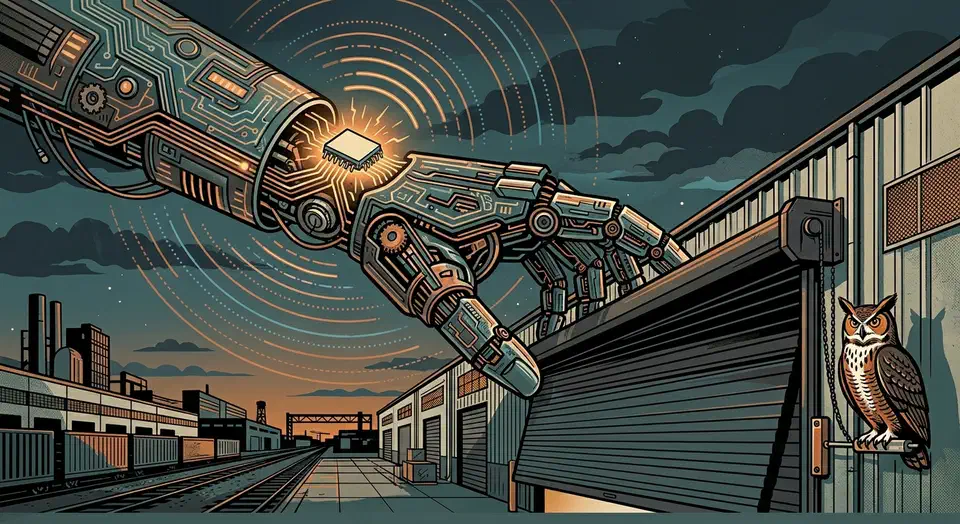
A custom Home Assistant integration is a Python wrapper for your hardware’s API, packaged as a HACS component. You get full entity control and automation support for unsupported or legacy devices. No fork of core HA. No wait for an official integration.

That said, custom integrations carry real upkeep. Before you reach for Python, check if a simpler path already exists.

When to Write a Custom Integration

Home Assistant ships with over 3,000 built-in integrations. Before you write a line of Python, visit home-assistant.io/integrations and search the HACS default store . Odds are good your device is already covered, or a community add-on exists.

Automate Smart Blinds and Adaptive Lighting for Better Sleep

Automate Smart Blinds and Adaptive Lighting for Better Sleep

Your home’s lights are one of the best levers for better sleep, and you can set most of it on autopilot. Pair motorized blinds driven by Home Assistant solar elevation data with the Adaptive Lighting HACS integration. The combined setup shifts light and blind positions through the day, in step with your body clock. The result: a gentler wake-up, a calmer wind-down, and better sleep.

The Science of Circadian Lighting

The human circadian system is keenly sensitive to light. The intrinsically photosensitive retinal ganglion cells (ipRGCs) in the eye react strongly to short-wavelength blue light in the 470 to 490 nm range. Cool bluish light, typically in the 5000K to 6500K color range, blocks melatonin and tells the brain it’s daytime. Warm light in the 2200K to 2700K range mostly falls outside that band and won’t trigger the same response, so it’s safe (and even helpful) for evening use.

  • ◀︎
  • 1
  • …
  • 3
  • 4
  • 5
  • 6
  • ▶︎

Most Popular

Thread Border Routers for Matter Smart Home: 2 Min, 1500+ Devices

Thread Border Routers for Matter Smart Home: 2 Min, 1500+ Devices

Set up Thread border routers to bridge Matter devices to your network. Choose between HomePod Mini, Nest Hub, or Raspberry Pi, then configure setup.

Home Assistant Smart Irrigation: Local Control, $25-89 Hardware

Home Assistant Smart Irrigation: Local Control, $25-89 Hardware

Build a smart garden irrigation system with Home Assistant, rain sensor, and automations. Zero cloud subscriptions, full local control, affordable hardware.

Snapcast Multi-Room Audio System: 5 Rooms Under $300

Snapcast Multi-Room Audio System: 5 Rooms Under $300

Build a cloud-free multi-room audio system with Snapcast and Home Assistant. Sub-millisecond sync across five rooms for an affordable Sonos alternative.

Should You Move from Zigbee2MQTT to Matter in 2026?

Should You Move from Zigbee2MQTT to Matter in 2026?

Matter 1.4 unifies smart home ecosystems while Zigbee2MQTT still wins on battery life and range. Run both: Matter for new devices, Zigbee for the long tail.

Home Assistant Energy Dashboard: 4 Flows, Solar, and Battery Tracking

Home Assistant Energy Dashboard: 4 Flows, Solar, and Battery Tracking

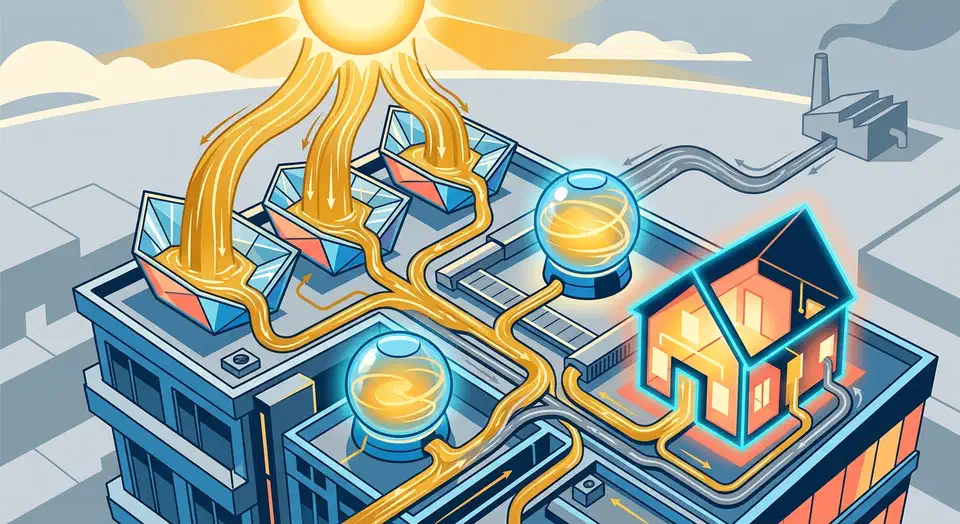
Track solar production, battery charge cycles, and home consumption in Home Assistant's Energy Dashboard without relying on third-party vendor cloud apps.

Home Assistant Dashboards: 6 Conditional Card Types and HACS Extensions

Home Assistant Dashboards: 6 Conditional Card Types and HACS Extensions

Build context-aware Home Assistant dashboards with conditional cards. Show or hide elements by state, time, presence, and screen size for automatic adaptation.

Like what you read?

Get new posts on Linux, AI, and self-hosting delivered to your inbox weekly.

Privacy Policy  ·  Terms of Service
2026 Botmonster