 Botmonster Tech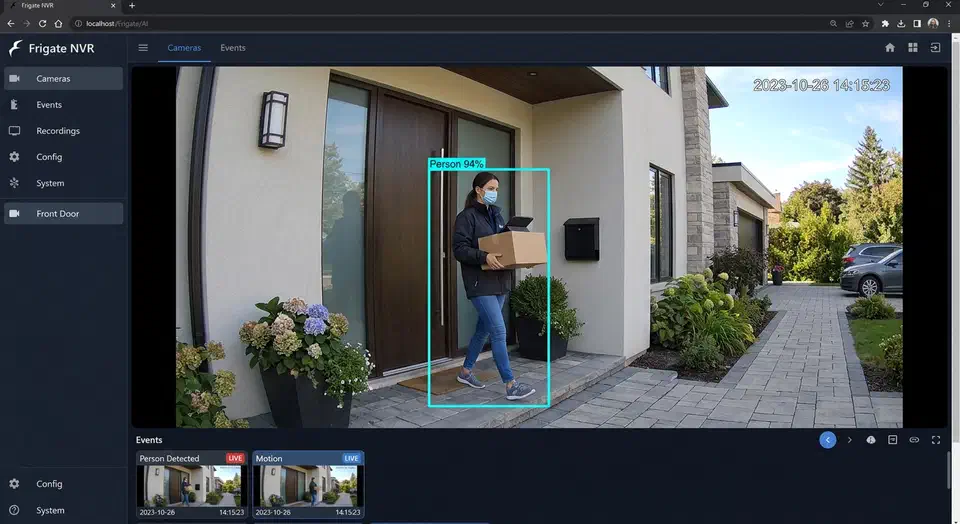
Cloud security camera fees have quietly become one of the priciest bills in the smart home. At $10 to $30 per camera each month, a full setup runs $500 to $1,000 a year. You pay that to have your own footage handled on someone else’s servers. Frigate NVR changes the math. Paired with a Google Coral TPU , it runs real-time AI person and object detection across many 4K streams. Inference times stay in the single-digit milliseconds. It all runs on hardware you own, on a network that never phones home.
Hardware
Build a Low-Cost Air Quality Sensor with ESPHome
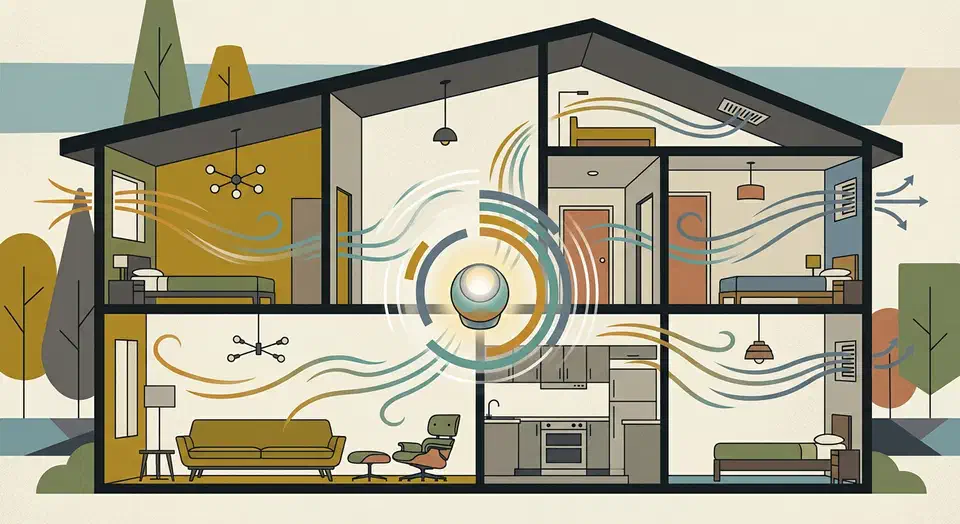
A DIY air quality monitor built on an ESP32 and a modern particle sensor is one of the best home automation projects you can finish in a single afternoon. Wire a PMS5003 or the newer Sensirion SEN66 to an ESP32 and flash ESPHome . Within minutes, Home Assistant finds the device on your local network. No cloud account, no monthly fee, no privacy worries.
Why Monitor Air Quality at Home?
Most people think of air pollution as an outdoor problem. In fact, indoor air is often worse. Cooking on a gas stove, burning candles, running a laser printer, using sprays, or even new furniture off-gassing formaldehyde can push indoor pollutants well above outdoor levels for hours.

Reverse Engineer USB Devices with Wireshark and Python
Reverse engineering an unknown USB device means working out the protocol it uses to talk: the byte sequence that makes it do things. The good news is that most USB devices don’t encrypt their traffic. Everything they send and get back travels in plain sight on the USB bus, and Linux gives you the tools to watch it. Once you know the protocol, a Python script using pyusb can drive the device directly and skip the vendor software.

Track Your Home's Energy Usage with Home Assistant
The average American household spends about $1,500 a year on electricity. Most of it walks out the door with no clear sense of where. Your utility’s smart meter reports yesterday’s total. It won’t tell you that an old game console pulls 30W while it sits “off,” or that your water heater runs right when grid prices peak. Home Assistant fixes that. Pair the right hardware with the built-in Energy Dashboard, and you get per-device, per-circuit visibility.
Fixing Wayland Screen Tearing on Linux Mint (2026)
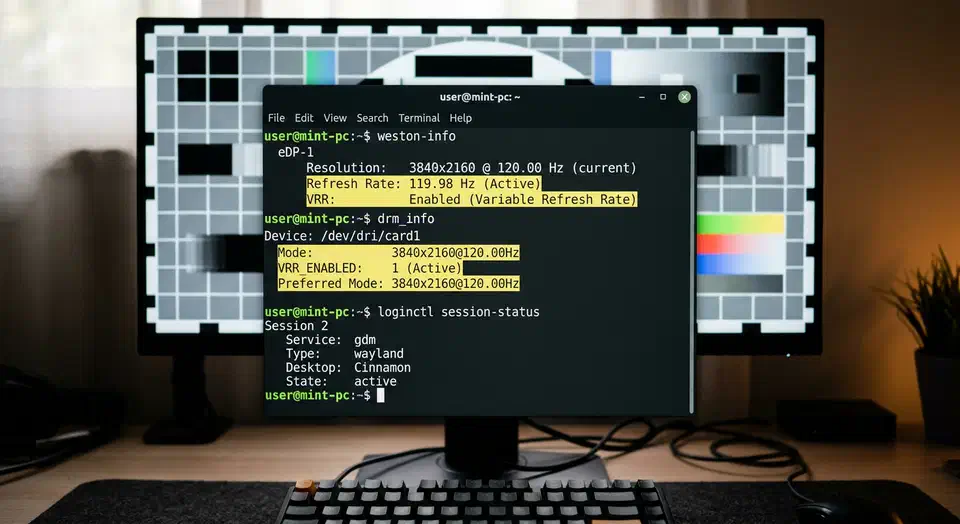
Screen tearing on Linux Mint in 2026 is rarer than in the X11 days. It still shows up on Wayland when the render pipeline is not in sync end to end. Most guides oversimplify and claim Wayland alone wipes out tearing forever. In practice, you need the right kernel, the right driver path, sane compositor settings, and monitor settings that match what your GPU can deliver.
This guide is for Linux Mint users on modern hardware, especially high refresh displays and mixed monitor setups. It walks through root causes, check commands, VRR setup, fractional scaling traps, NVIDIA steps, and a full troubleshooting matrix. By the end, you can tell whether tearing comes from compositor timing, GPU sync, display config, or a bad session choice for your hardware.

Build a DIY Smart Mirror with Home Assistant Integration
A DIY smart mirror uses a two-way mirror panel, a monitor, and a Raspberry Pi running MagicMirror² . Behind the glass, the monitor shows widgets that seem to float in the reflection. Link it to Home Assistant and it turns from a novelty into a useful home panel. You see which lights are on, if the front door is locked, and your next calendar event.
Materials and Hardware Shopping List
Getting the parts right before you cut or mount saves a lot of pain. Two pieces shape the final build: the mirror and the monitor.